You've chosen a venue with atmosphere already built into the stonework, the light, and the natural surroundings. That changes the standard for your photographer straight away. A pretty Instagram feed isn't enough when your day includes ancient interiors, protected ruins, shifting East Sussex weather, and those fleeting in-between moments that only happen once.
That's why the best questions to ask wedding photographers go well beyond “How much do you charge?” or “Can we see your portfolio?” You're not hiring someone to take flattering pictures. You're trusting them to work calmly in a live event, read difficult light, manage family dynamics, protect your files, and understand how a place like Battle Abbey shapes the day visually.
Historic venues are generous to photographers, but only if they know how to use them. The same abbey that gives you dramatic arches, terrace views, and romantic dusk portraits can also produce dim ceremony light, restricted access, sudden wind, and timelines that slip if portraits aren't planned properly. A strong photographer will talk about all of that with clarity, not vagueness.
The right conversation should leave you feeling more settled, not more confused. Good photographers welcome detailed questions because they know weddings run on preparation. Better still, they'll answer in a way that shows they've thought about your specific venue, your guest count, and how you want the day to feel in the final gallery.
If you're comparing options, use the questions below as your filter. They'll help you spot professionalism, uncover weak points before they become problems, and find someone who can do justice to a setting that already feels like a story.
1. What is Your Experience Photographing Historic Venues and Heritage Sites?
This is the first question I'd ask for any wedding at a character-rich venue. Historic properties aren't just prettier versions of modern spaces. They come with different working conditions, different restrictions, and very different photographic opportunities.
A photographer who's comfortable in a hotel ballroom may still struggle in an abbey setting. Stone interiors absorb and reflect light unpredictably. Outdoor portraits may need to happen around protected areas. Access routes can be less straightforward than at contemporary venues. If your photographer has worked at heritage sites before, they'll already know how to adapt without making the day feel like a technical exercise.
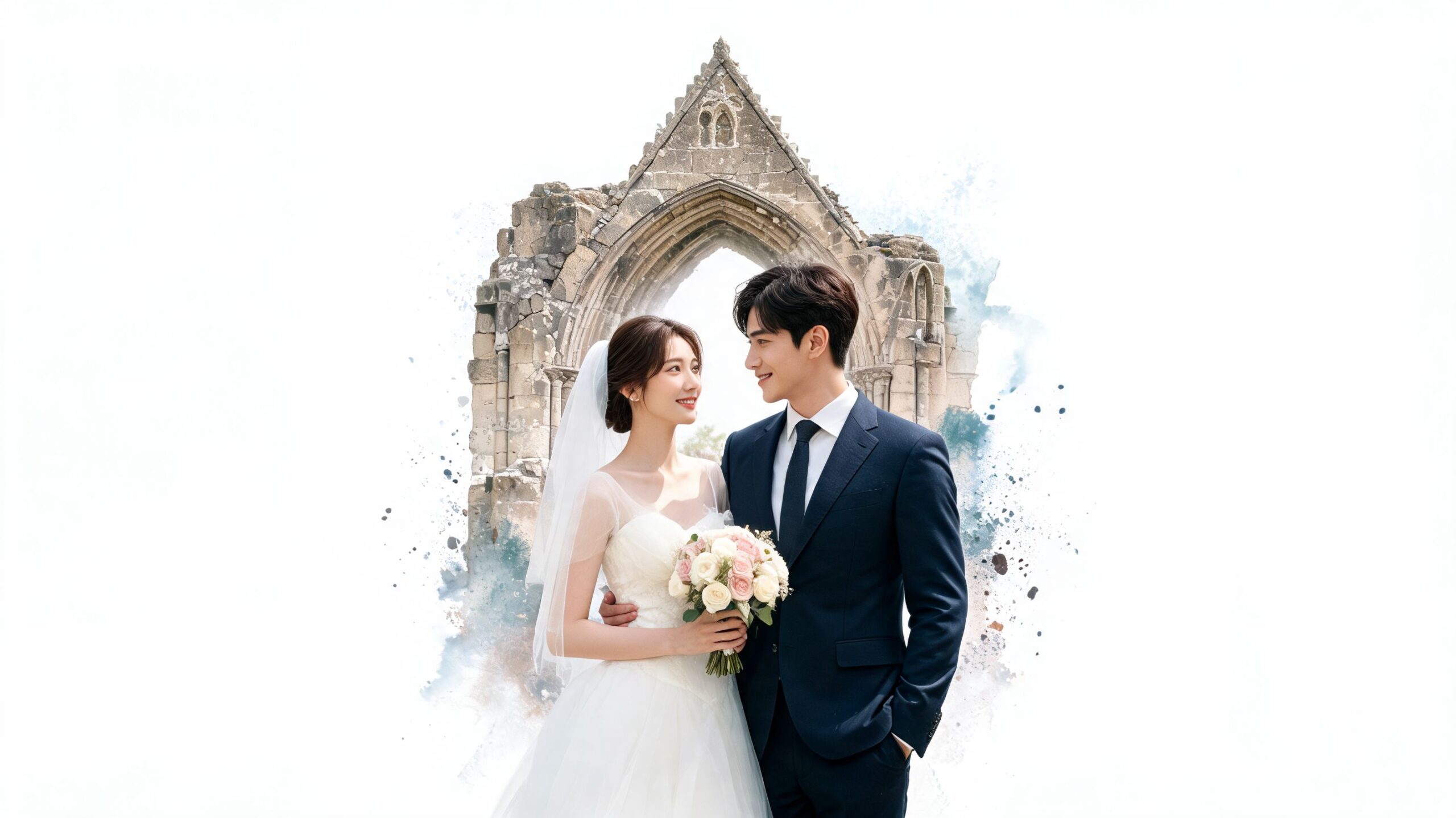
The question matters even more because couples are actively drawn to places with story and character. In Hitched.co.uk's annual survey, 28% of UK couples in 2025 prioritised venues with “unique historical significance”, as referenced in Catchfly's discussion of overlooked photographer questions. That means your photographer should be ready for the actualities of heritage weddings, not treating them as a novelty.
What a strong answer sounds like
You're listening for specifics. Not “I love old buildings,” but “I've photographed ceremonies in low-light heritage interiors,” or “I know some sites restrict flash, drone use, and where equipment can be placed.”
Ask them to show a full gallery from a similar venue. If they've worked with English Heritage or National Trust properties, ask what changed about their approach. Did they scout in advance? Did they adjust portrait timing for dusk? Did they work around access rules without losing momentum?
Historic venues reward preparation. The best photographers already know where the light falls, where guests naturally gather, and which backdrops look romantic in person but fall flat on camera.
A useful follow-up is whether they've dealt with no-flash spaces, weather affecting outdoor backdrops, or the challenge of balancing scale and intimacy. At a venue like Battle Abbey, you want both. You want the grandeur of the setting, but you also want your photographs to feel like your day, not a tourism brochure.
A photographer with real heritage experience won't be defensive about this question. They'll usually light up, because they know these venues demand more thought and offer better images when handled well.
2. Can You Provide a Detailed Breakdown of Your Pricing and What's Included?
Pricing conversations often go wrong because couples compare one headline figure with another and assume they're comparing like for like. They rarely are. One package may include a second shooter, gallery hosting, and album design. Another may cover only one photographer and a basic online delivery.
Get the detail in writing. Not later, not after the call, and not “we'll sort that out once you book”. A clear proposal tells you a lot about how someone runs their business.
At a practical level, ask what the fee covers from start to finish. Hours of coverage, travel, editing, preview images, final gallery delivery, print rights, albums, overtime, and whether engagement sessions are included or separate. If they offer bespoke coverage, ask what changes the quote. If they don't, ask what happens when your timeline runs late.
Ask for the line items, not the headline
A good quote should make it easy to see what you are and aren't paying for.
- Coverage hours: Confirm the actual start and finish time, not just “full day”.
- People on site: Ask whether the price includes one photographer or a team.
- Deliverables: Clarify whether you'll receive high-resolution files, album credit, prints, or only gallery downloads.
- Extra time: Ask how overtime is charged and whether it must be approved on the day.
- Payment schedule: Confirm the booking fee, instalments, and final balance deadline.
This is also the right moment to ask about digital delivery. Many couples now want online access first, with prints decided later. If that's your preference, say so plainly and ask how the gallery is shared and how long it stays live.
The point isn't to interrogate. It's to remove assumptions. I've seen more disappointment come from mismatched expectations than from poor photographs. Couples think an album is included when it isn't. They assume rehearsal coverage is part of the package. They expect all-day presence when the contract ends before the first dance.
If a photographer can explain pricing calmly and clearly, that usually carries through to the rest of their process too.
Transparent pricing is especially important at a venue where timings and spaces can be customized. A bespoke day deserves a photographer whose quote is just as transparent as the event plan.
3. How Do You Approach Capturing Both Candid Moments and Formal Portraits?
This question separates photographers with range from photographers with one default mode. Most couples want both, even if they describe it differently. They want natural images that feel unforced, and they also want the family photographs that will live in frames for years.
The issue isn't whether a photographer can do candid or posed work. Most can do some of each. The core issue is how they move between them without making the day feel stop-start.
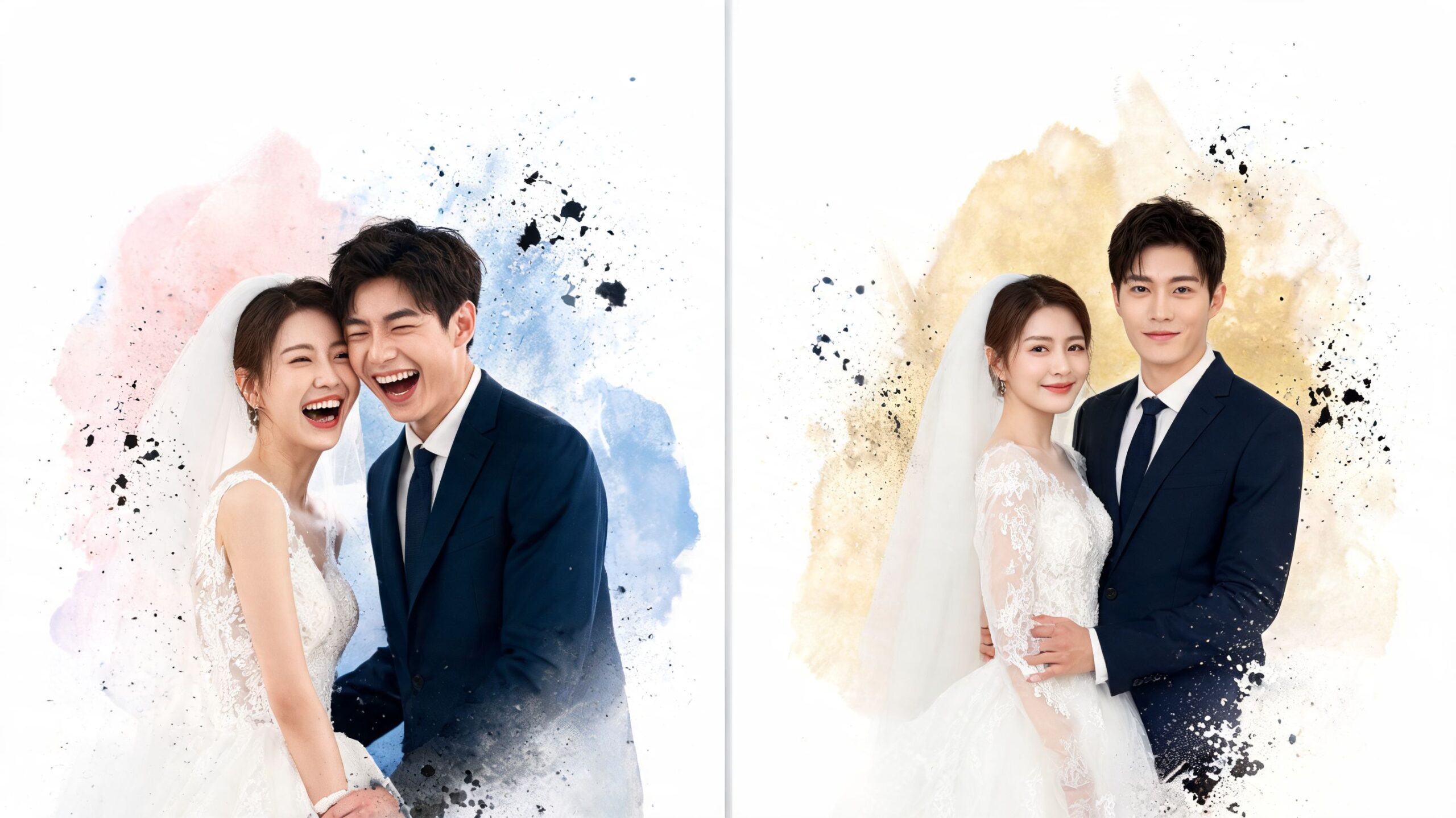
At Battle Abbey, this balance matters because the venue naturally lends itself to both styles. You might want relaxed drinks on the terrace photographed as they unfold, then a short, elegant portrait session against the ruins or on the lawn. If the photographer only works in a heavily directed way, the day can start to feel staged. If they only shoot documentary-style and dislike organising people, family portraits can become chaotic.
Look for a timeline-minded answer
Ask how they structure portraits within the day. Do they prefer lots of short sessions rather than one long block? Do they keep family formals tight and efficient? How do they direct couples who feel awkward in front of the camera?
A useful answer often includes practical sequencing, such as:
- Family first: Immediate family groups while everyone is nearby and attentive.
- Couple portraits in short bursts: One earlier set, then a few minutes later near dusk if the light is better.
- Documentary coverage around the edges: Drinks, greetings, reactions, and quiet moments captured without interruption.
If possible, ask to see one full wedding where the gallery includes all of these: ceremony emotion, family groups, candid guest interaction, and polished couple portraits. That tells you far more than a highlights reel.
Some photographers are brilliant at creating natural-looking formality. That's often ideal for historic venues. You still get shape, composition, and flattering direction, but without stiff hands, fixed smiles, and awkward chin angles. What doesn't work so well in a setting like an abbey is over-posing everything. The venue already brings atmosphere. The photographer doesn't need to force drama into every frame.
4. What is Your Equipment Backup Plan and Professional Insurance?
This question sounds technical, but it's really about reliability. Weddings don't pause for camera failures, corrupted cards, dead batteries, or a missing lens. Your photographer either has a system for these problems, or they're hoping nothing goes wrong.
Hope isn't a plan.
A professional should be able to explain, without fumbling, what backup equipment they bring and how they protect files after the wedding. They should also be insured to work on site. Many venues expect that as standard, and you should too.
The answer should cover both gear and people
There are two layers here. The first is equipment. The second is contingency.
Ask what they carry on the day. You want to hear that they bring backup camera bodies, extra lenses, spare batteries, memory cards, and lighting options appropriate to the venue. Ask whether they record images to two memory cards at once if their cameras allow for it. Then ask what happens if they become ill or have an emergency.
Practical rule: A wedding photographer doesn't need to promise perfection. They do need a credible plan for failure.
Data protection matters after the event too. One of the newer concerns couples should raise is digital safety. Questions around AI-assisted workflow and cloud backup are often skipped, even though they matter. A good prompt is simple: how are the files backed up, where are they stored, and what happens if a gallery platform fails?
For any photographer using drones, there's another practical layer around risk and cover. If aerial imagery is part of the conversation, it's worth understanding broader commercial UAV insurance considerations explained by Dronedesk, especially at sensitive or historic sites.
You don't need a lecture on policy wording. You do need reassurance that if a camera dies during the ceremony, your photographer reaches for another body and carries on as though nothing happened.
5. How Will You Handle the Specific Lighting Challenges at Battle Abbey?
Generic wedding photography advice falls short at this location. Battle Abbey isn't one lighting environment. It's several in one day. The ceremony space may be dim and atmospheric. The drinks reception may be bright, windy, and fast-moving. Portraits by the ruins may look completely different at midday than they do at dusk.
A photographer who understands light will answer this question in terms of decisions, not slogans. They should be able to explain how they handle dark interiors, mixed colour temperatures, backlit outdoor scenes, and the transition from one part of the day to the next.
Historic interiors deserve special attention. The research behind this topic notes that couples should ask whether a photographer can share examples of low-light abbey ceremonies and terrace receptions at dusk, because generic advice often ignores venue-specific restrictions and realities. That's exactly right for Battle Abbey. You need someone who can preserve atmosphere without producing muddy, lifeless files.
What to discuss before booking
Ask whether they'd visit the venue in advance. A pre-wedding scout is useful at any venue, but especially valuable here because the visual opportunities are spread across very different spaces.
Then get practical:
- Ceremony light: Will they rely on ambient light, bring discreet support lighting, or avoid flash entirely if the setting demands it?
- Outdoor transitions: How do they expose for bright terrace conditions after darker interiors?
- Portrait timing: When do they think the grounds look best on camera?
- Weather adaptation: What do they do if overcast skies or rain change the original plan?
What works at Battle Abbey is restraint paired with readiness. Heavy-handed lighting can strip the romance out of historic spaces. On the other hand, photographers who pride themselves on “natural light only” can get into trouble if they haven't got a plan for dim interiors or evening coverage.
The best answer usually sounds balanced. They respect the venue, they understand the mood, and they still bring the tools needed to produce flattering, usable images across the full day.
6. What is Your Process for Engagement Sessions and Venue Scouting?
Preparation often shows up in the final gallery long before the wedding day itself. Engagement sessions and venue visits aren't mandatory in every case, but they can make a marked difference to comfort, pacing, and decision-making.
An engagement session gives the couple a trial run. They learn how the photographer directs, how much posing is involved, and what feels natural. That matters more than people think. Couples who arrive on the wedding day already trusting the camera process tend to settle faster into portraits, and that means less time away from guests.
Venue scouting matters for a different reason. Battle Abbey has multiple visual zones, each with its own rhythm. A photographer who walks the site beforehand can make smarter calls about movement, timing, and where to place different moments of the day.
Ask how much planning happens before the wedding
This is a useful item to dig into because it reveals work ethic. Some photographers are excellent on the day but underprepared beforehand. Others are methodical from the first planning meeting.
Ask questions like these:
- Engagement sessions: Are they included, optional, or available as an add-on?
- Location choice: Can the session happen at the venue, nearby, or at a place with a similar feel?
- Scouting visit: Will they visit the abbey before the wedding if they haven't worked there before?
- Timeline planning: Do they help map portrait times around ceremony, drinks, speeches, and evening light?
- Weather fallback: Have they identified sheltered or indoor portrait options?
A strong photographer often uses the scouting process to solve problems before they exist. They notice where guests are likely to bottleneck. They work out how long it takes to move between key areas. They identify whether family groups are better on a lawn, a terrace, or indoors if the forecast turns.
Preparation isn't glamorous, but it's one of the clearest signs of professionalism. It also gives you a much calmer wedding morning because fewer decisions are left hanging.
7. How Do You Handle Large Group Photos and Manage Guest Logistics?
The drinks reception has started, older relatives are being pulled in three directions, two children have vanished behind a stone wall, and the all-guests photo is already five minutes late. This is the point in the day where a photographer either settles the room or adds to the drift.
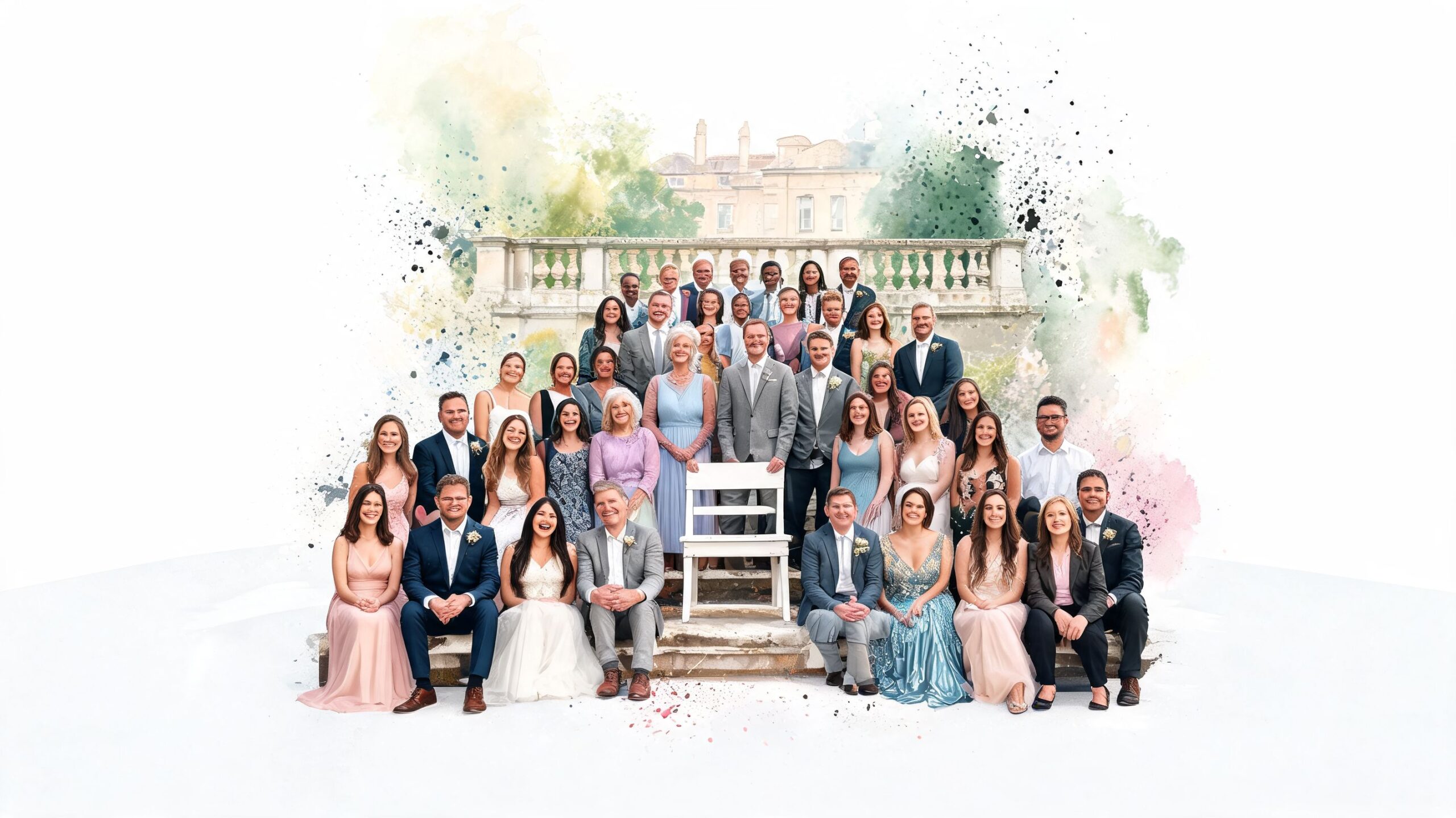
At Battle Abbey, group photos need more than a good eye. They need control, pace, and a plan that respects the site. Historic grounds bring real constraints: uneven footing near the ruins, protected areas that cannot be blocked for long, and beautiful backdrops that can easily dwarf a group if the photographer chooses the wrong position.
Ask about their system under pressure
Style matters less here than method. Ask who builds the family list, how many formal combinations they recommend, and who physically rounds people up on the day. A photographer with proper wedding experience will usually push for a short, disciplined list and a named helper from each side of the family who knows exactly who is who.
That is how group photos stay smooth.
I advise couples to listen for practical details in the answer. A strong photographer will tell you how long they want for immediate family, wedding party, and full-group images. They should also be able to explain where they would place each grouping at Battle Abbey, depending on guest count, light, and mobility needs. The best choice for twelve people is rarely the best choice for eighty.
There is also a trade-off between ambition and time. A dramatic all-guests portrait on the grounds can look wonderful, but it may take longer to assemble than couples expect, especially if guests are spread across lawns, cloisters, and reception spaces. Sometimes the smarter decision is to keep the largest group simple, then spend the saved minutes on smaller family sets that people will frame.
Ask these questions directly:
- Group list management: Do you want a written shot list in advance, and how many formal groups do you recommend?
- Guest wrangling: Who gathers family members, you, a planner, an usher, or someone from each family?
- Location choice: Where would you photograph the full guest group, close family, and older relatives at Battle Abbey?
- Weather backup: If wind or rain rules out the main outdoor spot, what is your indoor alternative?
- Mobility and access: How do you handle guests who cannot walk far or stand comfortably on uneven ground?
- Second photographer: Would an additional shooter help with organising, candid coverage, or both?
A second shooter can be useful, but only if there is a clear reason. On larger weddings, one photographer can keep the formal groups moving while the other covers guests, cocktail-hour candids, or the room before dinner. On smaller weddings, that extra person may add little. The answer should reflect your numbers, your timeline, and the layout of the abbey, not a standard package script.
One final point often gets missed. If you plan to print a large family portrait afterward, ask whether the photographer composes and crops group images with print in mind. The 4OVER4 guide to print design colors is a useful primer on how images can shift from screen to print, and it helps couples ask better questions about colour, contrast, and final use.
Good group photography is part crowd management, part timing, part diplomacy. At a venue with as much character as Battle Abbey, that calm authority makes a visible difference in both the pictures and the flow of the day.
8. What is Your Editing Style and Timeline for Delivering Final Images?
Editing style is one of the easiest things to misjudge when couples book quickly. They see a handful of beautiful images online and assume the full gallery will feel the same. Sometimes it does. Sometimes the highlights are carrying the whole impression.
Ask to see multiple complete weddings, preferably in settings that resemble yours. You want to know whether the photographer handles skin tones well, whether indoor images feel consistent with outdoor ones, and whether the editing preserves the character of the venue.
Timing matters just as much as style. Delivery expectations can become a sore point if they aren't pinned down early. In a 2024 UK Bride survey of 1,200 respondents across Southeast England, 78% of couples reported high satisfaction when receiving images within 4 to 6 weeks post-wedding, as discussed in Silver Orchard Creative's guide to key photographer questions. That's a useful benchmark because it reflects how strongly couples tie prompt delivery to the overall experience.
Editing questions worth asking directly
Don't be shy about being specific here.
- Colour approach: Do they edit true-to-life, warm, film-inspired, airy, or moodier?
- Retouching level: Will they remove temporary blemishes but keep skin texture, or do they favour heavier smoothing?
- Consistency: Do evening images look noticeably different from daytime ones in a way you like?
- Delivery process: Will you receive previews first, then the full gallery?
- File specifications: Ask what resolution and colour profile you'll receive if you plan to print.
One modern issue worth asking about is AI use in the workflow. Some photographers now use AI for culling or parts of post-production. That isn't automatically a problem, but it is reasonable to ask whether they use it, whether you can opt for a more traditional process, and how they avoid overly polished results. At heritage venues in particular, too much smoothing can take the texture and atmosphere out of portraits.
If you're ordering prints or albums, colour management also matters. A quick read on RGB and CMYK print design colour differences from 4OVER4 can help you ask better questions about how digital edits translate into print.
9. Can You Accommodate Multiple Photographers and Work Well With Other Vendors?
A wedding at Battle Abbey rarely unfolds in one tidy rectangle. People spill from the ceremony into the grounds, portraits need to fit around guest drinks, and the light changes quickly between open air, stone interiors, and evening reception spaces. A photographer who cannot coordinate with others will slow the whole day down.
I always tell couples to listen for how a photographer talks about the rest of the supplier team. The strongest answer is practical and respectful. They should be comfortable sharing positions with a videographer, taking timing cues from the planner, and adapting to site restrictions without turning every transition into a negotiation.
That matters even more at a historic venue. Battle Abbey has protected areas, narrower access points, and obvious visual focal points that can become crowded fast. If a photographer brings a second shooter, assistant, content creator, or drone operator into that setting, there needs to be a clear plan for who covers what and where each person can stand. More coverage helps, but only if the team works with intention.
Ask direct questions such as:
- How do you work alongside a videographer during the ceremony? You want a specific answer about sightlines, movement, and who takes priority at key moments.
- Will you coordinate with the planner or venue manager before the day starts? Good photographers confirm timings, access rules, and portrait locations in advance.
- If you bring a second shooter, what is their role? One may cover guest reactions and wider room shots while the lead stays with the couple.
- Have you worked at heritage venues with access restrictions? If not, ask how they prepare for protected ruins, uneven ground, and limited setup space.
- How do you handle extra creatives, such as a drone pilot or social content creator? The answer should cover safety, permissions, and avoiding five people directing the couple at once.
There is also a people side to this. A photographer with a strong reputation among planners and venues usually earned it by being organised, calm, and easy to work with. If you want a useful parallel for how professional trust is built over time, these reputation management playbooks for SMBs make the same point in a different field. Reliability shapes the experience as much as talent.
The best photographers know when to take charge and when to step back. During family formals, they need to lead clearly. During dinner service or a tight room reset, they need to work around the event rather than force the event around them.
That balance often produces the better gallery. Couples stay relaxed, vendors stay aligned, and the day keeps its rhythm. At Battle Abbey, where atmosphere depends on timing, space, and restraint, that kind of teamwork shows in every frame.
10. What References Can You Provide and How Do Couples Describe Their Experience Working With You?
Portfolios tell you what a photographer can produce on a strong day. References tell you what they're like to work with when the day is real, busy, emotional, and slightly imperfect.
Ask for recent couples, ideally with weddings similar to yours in size or style. If you're marrying at a historic venue, ask for someone who used a comparable setting. If you're hosting a large guest list, ask for references from a larger wedding. Specificity matters because the experience of a relaxed intimate celebration isn't the same as a full-scale event moving across multiple spaces.
What you're really trying to find out is how the photographer behaves. Were they punctual? Clear? Calm? Did they help people feel comfortable? Did they keep portraits moving? Did they handle disruptions well?
What to ask former couples
A short conversation or email exchange can reveal far more than a testimonial paragraph.
Try questions like:
- Communication: Were replies timely and clear from booking to delivery?
- Presence: Did the photographer feel supportive and calm on the day?
- Direction: Did they give enough guidance without making everything feel staged?
- Problem-solving: How did they handle weather, delays, or family logistics?
- Aftercare: Was the gallery delivered as promised, and did the final images match expectations?
Another useful prompt is: would you book them again? People answer that with surprising honesty.
You can also check public reviews, but read them with some care. Look for recurring patterns instead of one-off praise. If multiple couples mention the same strength, such as calmness under pressure or particularly good family portrait management, that's meaningful. The same is true for recurring concerns.
For a broader sense of how online reputation shapes trust, some of the principles used in small business reputation management case studies from Rebus Advertising are useful. The details differ by industry, but the pattern holds. Consistent feedback is often more revealing than polished marketing copy.
10-Point Comparison: Questions for Wedding Photographers
| Question / Topic | Implementation Complexity 🔄 | Resource Requirements ⚡ | Expected Outcomes ⭐📊 | Ideal Use Cases / Tip 💡 |
|---|---|---|---|---|
| What is your experience photographing historic venues and heritage sites? | Medium 🔄, requires heritage knowledge and venue protocols | Moderate ⚡, specialist experience, potential travel, permit navigation | ⭐⭐⭐⭐⭐ 📊, authentic architectural portraits and compliant coverage | Historic estates like Battle Abbey, ask for venue-specific portfolio |
| Can you provide a detailed breakdown of your pricing and what's included? | Low–Medium 🔄, administrative clarity and itemisation needed | Low ⚡, time to prepare written quotes and package lists | ⭐⭐⭐⭐ 📊, transparent budgeting, easier vendor comparison | Budget planning and contract stage, request itemised written quote |
| How do you approach capturing both candid moments and formal portraits? | High 🔄, balancing documentary and posed workflows | High ⚡, time, direction skills, possibly second shooter | ⭐⭐⭐⭐⭐ 📊, comprehensive storytelling and polished portraits | Couples wanting both natural emotion and formal keepsakes, define balance/timeline |
| What is your equipment backup plan and professional insurance? | Medium 🔄, documented redundancy and contingency planning | High ⚡, backup gear, insurance premiums, data redundancy | ⭐⭐⭐⭐⭐ 📊, reliable delivery and risk mitigation | High-investment or once-in-a-lifetime events, request proof of insurance and backups |
| How will you handle the specific lighting challenges at Battle Abbey? | High 🔄, mixed interiors, ruins, and outdoor conditions | High ⚡, lighting kit, modifiers, scouting and setup time | ⭐⭐⭐⭐ 📊, consistent exposures and mood-appropriate lighting | Complex historic venues with mixed light, insist on pre-wedding lighting scout and flash policy |
| What is your process for engagement sessions and venue scouting? | Low–Medium 🔄, scheduling and coordination with venue | Moderate ⚡, session time, scout visits, planning materials | ⭐⭐⭐⭐ 📊, better rapport, accurate timelines, improved portraits | Venues with varied locations like Battle Abbey, include scout and on-site engagement if possible |
| How do you handle large group photos and manage guest logistics? | High 🔄, organised sequencing and crowd direction required | Moderate–High ⚡, assistants, coordinator, strict time blocks | ⭐⭐⭐⭐ 📊, efficient, sharp group images with minimal disruption | Weddings with 75–250 guests, provide guest lists and assign a coordinator |
| What is your editing style and timeline for delivering final images? | Medium 🔄, consistent editorial workflow and delivery schedule | Moderate ⚡, post-processing time, software, album/print services | ⭐⭐⭐⭐ 📊, cohesive aesthetic and predictable delivery (varies by package) | Couples with specific aesthetic or print needs, review full galleries and clarify timelines |
| Can you accommodate multiple photographers and work well with other vendors? | Medium 🔄, clear roles and vendor communication needed | Moderate ⚡, additional photographers, coordination meetings | ⭐⭐⭐⭐ 📊, broader coverage and smoother event flow | Large productions or videography collaborations, confirm roles, contact points, and arrival times |
| What references can you provide and how do couples describe their experience working with you? | Low 🔄, gathering and vetting testimonials | Low–Moderate ⚡, time to contact references and review reviews | ⭐⭐⭐⭐ 📊, insight into reliability, professionalism, and fit | Final hiring decision, request 3–5 recent references similar in size/venue and ask direct questions |
Your Final Check A Partnership Built on Trust
You're standing in a centuries-old hall, the light is lower than expected, relatives are gathering in three different directions, and the ceremony is about to start. In that moment, the quality that matters most is trust. You need a photographer who stays calm, works with purpose, and knows how to make good decisions without turning your wedding into a production set.
That trust is built long before the day itself. It comes from clear answers, realistic planning, and a photographer who understands what a historic venue asks of them. Battle Abbey is not a blank-canvas hotel ballroom. It has protected spaces, uneven light, weather-sensitive outdoor areas, and backgrounds with real character. A photographer has to do more than take attractive portraits there. They need to respect the venue, read the conditions, and use the setting well.
Good consultations reveal that quickly.
The strongest photographers answer in specifics. They can explain how they would time portraits around the abbey grounds, where they would place family groups without causing delays, what they would do if rain closes off part of the ruins, and how they would handle dim interiors without losing atmosphere. They also speak plainly about limits. If winter light shortens your portrait window, they should say so. If a second shooter would make coverage stronger in a large guest count wedding, they should say that too.
That honesty usually leads to a better experience on the day. Couples relax when they know the person behind the camera has thought through access, lighting, movement between spaces, and the rhythm of the celebration. Photography then becomes part of the day rather than a distraction from it.
I always tell couples to pay attention to how they feel after the meeting. Do you feel steadier, better informed, and properly looked after? Or do you feel sold to? At a venue with this much history and visual depth, that distinction matters. The right photographer will not just place you in front of old stone and hope for the best. They will know how to capture scale, intimacy, and that fairytale quality without losing the authenticity of the day.
Choose the photographer whose answers leave you calm. Skill matters. So do judgment, preparation, and the ability to work with a place that has both beauty and rules. Those are the things that protect your memories when the timetable shifts, the weather changes, or the light does something unexpected.
Your photographs should feel like your wedding, not a generic shoot borrowed from somewhere else.