A complete wedding catering package is usually best understood as an all-in per-head figure, not just the menu line on its own. As a practical starting point, a single dish with £9 in ingredients would commonly price at about £26 to £32, and your final wedding per-head spend then builds from that menu base by adding drinks, service elements, and any required extras.
That's the part many couples discover late. You find a lovely page of menus with prices, breathe a sigh of relief, and then realise the listed figure may only cover one slice of the day. It might not include canapés on the lawn, wine with dinner, your toast drink, or the service elements that turn a meal into a wedding experience.
For couples planning a celebration at a historic setting, that gap matters even more. You're not just buying plates of food. You're shaping the rhythm of the day, from reception drinks in the sunshine to the last course served by candlelight in a characterful room. The budget needs to feel clear enough to trust, but the experience still needs to feel romantic.
Planning Your Perfect Wedding Feast
Most couples begin in the same place. One of you has a spreadsheet open. The other is sending screenshots of menus with prices and asking, “Is this the exact cost?” You compare one venue's three-course meal with another venue's BBQ option, then notice the drinks are separate, the children's menu is listed elsewhere, and the service details only appear after an enquiry.
That's where wedding food planning starts to feel murky.
In the UK, menu prices have generally risen more slowly than retail grocery prices, but large-event budgeting still works best when the figures are clear and inclusive, because food and drink costs move with inflation and transparent menu packages help couples plan with confidence, as outlined in the USDA food prices and spending overview. For a wedding, the useful question isn't only “What does the menu cost?” It's “What will each guest cost us once the day is fully built?”
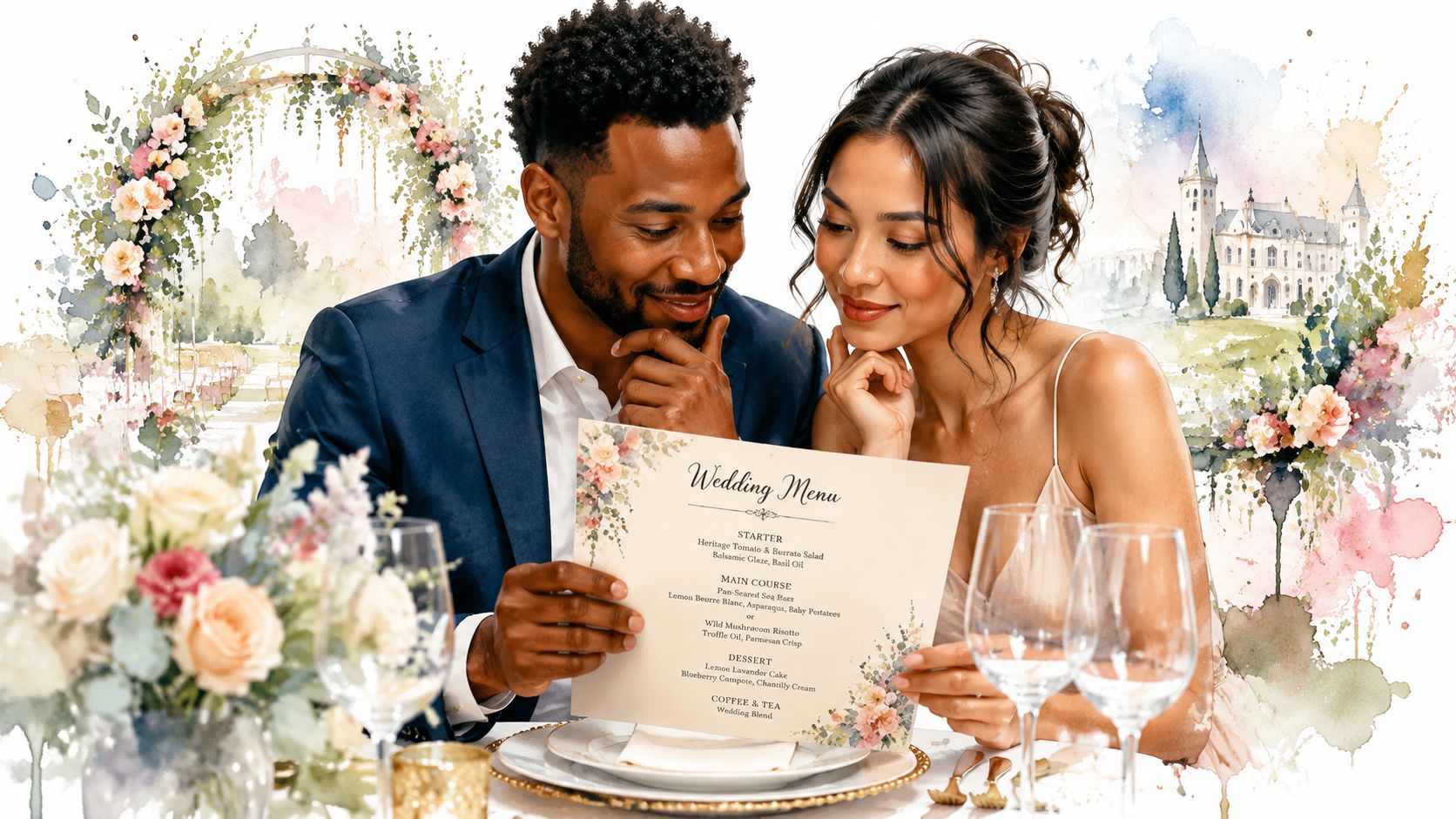
Why menu pages often feel incomplete
A menu card can look simple. Starter, main, dessert. Neat numbers. Elegant wording. But weddings rarely run on a restaurant model alone.
Your catering spend may also include:
- Reception food: Canapés or lighter bites between the ceremony and meal.
- Table drinks: Wine, soft drinks, or other pairings served with the wedding breakfast.
- Toast service: Something sparkling for speeches.
- Service style: Staffing, setup, clearing, glassware, and timing coordination.
- Guest-count effects: Smaller events and larger events can behave differently in practical costing.
That's why couples often need more than menus with prices. They need context.
Practical rule: If a venue shows a food price but you can't tell what one guest costs across the whole day, you don't yet have a planning figure.
At a heritage venue, the emotional side matters too. You may be picturing drinks on a terrace, guests walking past ancient stone, and dinner in a room that already feels steeped in occasion. That atmosphere is wonderful, but your budget still needs ordinary language and transparent sums.
If you're organising the wider celebration as well as the meal, this checklist can help you plan your ultimate wedding reception without losing track of the moving parts. And if you want the broader spending picture first, this guide to the average cost of a wedding in the UK in 2026 is a sensible place to ground the conversation before choosing your menu style.
The feeling couples want
They want a price that feels honest. They want choices that feel exciting. And they want someone to explain the difference between a headline menu price and a true all-in guest cost without making it sound complicated.
That's exactly how wedding catering should be discussed.
Our Farm-to-Table Catering Philosophy
A wedding menu shouldn't feel dropped in from nowhere. At a historic venue, the food should make sense in the setting.
That usually means two things working together. First, ingredients need to feel fresh and seasonal. Second, the style of service needs to suit the atmosphere of the day, whether that's a formal wedding breakfast indoors or a more relaxed feast outside with smoke, colour, and movement from the kitchen.
Heritage and clarity belong together
The idea of a fixed-price menu became a recognised norm in the early twentieth century, marking the shift from negotiated pricing to clear, upfront costs, as described in this account of restaurant price history. For modern weddings, that history still matters. A set menu isn't old-fashioned. It's one of the clearest tools couples have for understanding value.
At a venue with centuries of story in its walls, that clarity sits naturally alongside tradition. Guests may be surrounded by history, but the planning experience should still feel modern and straightforward.
What farm-to-table means in practice
Local sourcing sounds lovely, but couples usually want to know what it changes.
It shapes the day in practical ways:
- Flavour on the plate: Seasonal produce tends to support menus that feel fresher and more settled, rather than overly engineered.
- Menu flexibility: Chefs can build around what's working well at the time of year, which helps create a meal that feels personal.
- Sense of place: Food tied to East Sussex ingredients helps the wedding feel rooted in its surroundings, not copied from a generic brochure.
- Service style: Heritage spaces often suit menus that balance elegance with ease, so the food feels special without seeming stiff.
A three-course wedding breakfast can feel timeless in a panelled room. A BBQ or hog roast can feel completely right for a terrace celebration with a looser flow. The philosophy isn't about forcing one format. It's about matching the menu to the experience you want your guests to remember.
Good menus don't just feed people. They support the pace, mood, and character of the celebration.
Romance needs structure
Couples sometimes worry that transparent pricing will make the catering feel clinical. In practice, it usually does the opposite. Once the numbers are clear, you're free to enjoy the creative side.
You can think about whether your starter should feel light and summery, whether your dessert should lean classic or playful, and whether your evening should feel polished or relaxed. The romance comes more easily when the practical framework is secure.
That's the hidden value in well-presented menus with prices. They don't take the magic out of the wedding. They make room for it.
Sample Wedding Menus and Price Examples
Menus with prices become useful, not as isolated food lists, but as examples of how different styles affect the guest experience and the final bill.
A helpful pricing principle comes from standard restaurant menu costing. A food cost percentage of about 28 to 35% is commonly used, with the price floor calculated from ingredient cost divided by the target food-cost percentage. In practical terms, a dish with £9 in ingredients would land around £26 to £32, according to this restaurant menu pricing guidance. That doesn't mean every wedding main course is priced in isolation, but it does explain why a carefully prepared plated meal costs more than the raw ingredients suggest.
Three-course banquet
This is the format many couples imagine first. Guests sit, settle, and enjoy a meal with a clear beginning, middle, and end. It suits formal ceremonies, longer speeches, and a classic wedding breakfast flow.
A sample banquet might include:
- Starter: Seasonal soup, pressed terrine, or a composed salad
- Main: Roasted chicken, slow-cooked beef, or a vegetarian centrepiece with sides
- Dessert: Tart, pudding, or a plated chocolate dessert
This style usually works well when you want the room to feel ceremonious and the service to feel paced.
BBQ and hog roast
This style changes the mood immediately. It feels sociable, easier, and often better suited to outdoor celebrations or couples who want less formality.
A sample version might feature:
- From the grill or roast: Hog roast, grilled meats, or vegetarian barbecue options
- Accompaniments: Salads, breads, sauces, and seasonal sides
- Dessert finish: Shared puddings or a plated sweet course
This format often feels generous and relaxed. It can also work especially well for guest lists where mingling matters as much as seated dining.
Canapé and reception package
Some couples prefer a lighter format, especially for shorter celebrations or for a ceremony followed by a stylish standing reception before evening festivities continue in a different way.
A package like this might include:
- Canapés: A mix of hot and cold bites
- Substantial nibbles: Mini bowls, sliders, or other more filling options
- Dessert bites: Small sweets served during the reception
This style can look simple on paper, but it needs good planning. If the event runs longer, lighter food can stop feeling generous unless the package is built properly.
Comparison of Wedding Catering Packages 2026 Estimates
| Package Style | Best For | Estimated Price Per Head | Includes |
|---|---|---|---|
| Three-Course Banquet | Formal wedding breakfasts and traditional timelines | Built from menu pricing where a dish with £9 ingredients would commonly price around £26 to £32 before labour, overhead, and margin are added | Starter, main, dessert, plated service style |
| BBQ and Hog Roast | Relaxed outdoor receptions and sociable celebrations | Custom package pricing varies by menu build and service level | Main feast service, sides, informal dining atmosphere |
| Canapé and Reception Package | Stylish shorter receptions and lighter formats | Custom package pricing varies by quantity, staffing, and progression through the day | Selection of canapés and reception-style food |
For couples comparing options visually, the White Swan menu is a useful example of how a structured menu can help you picture the style and flow of the meal.
How to read these examples properly
The most common mistake is comparing only the menu title. A banquet can look dearer than a hog roast. A canapé package can look lighter on paper and therefore cheaper. But the total can shift once the day is fully assembled.
Look at each option through these questions:
- How long does it feed guests for?
- Does it require more formal staffing and service timing?
- Will you still need extra food later in the evening?
- How does it pair with your drinks plan and venue flow?
A lower headline menu price isn't always the lower wedding cost. The cheaper-looking option may need more add-ons to feel complete.
That's why the best menus with prices are the ones that help you compare like with like, rather than picking the smallest number on the page.
Designing Your Perfect Drinks Package
Food usually gets the spotlight first, but drinks often decide whether the day feels smooth or disjointed. They also affect the all-in cost per guest more than many couples expect.
A drinks package works best when you build it in phases. Think about what guests need at each point of the day, rather than trying to choose “the drinks” as one giant category.
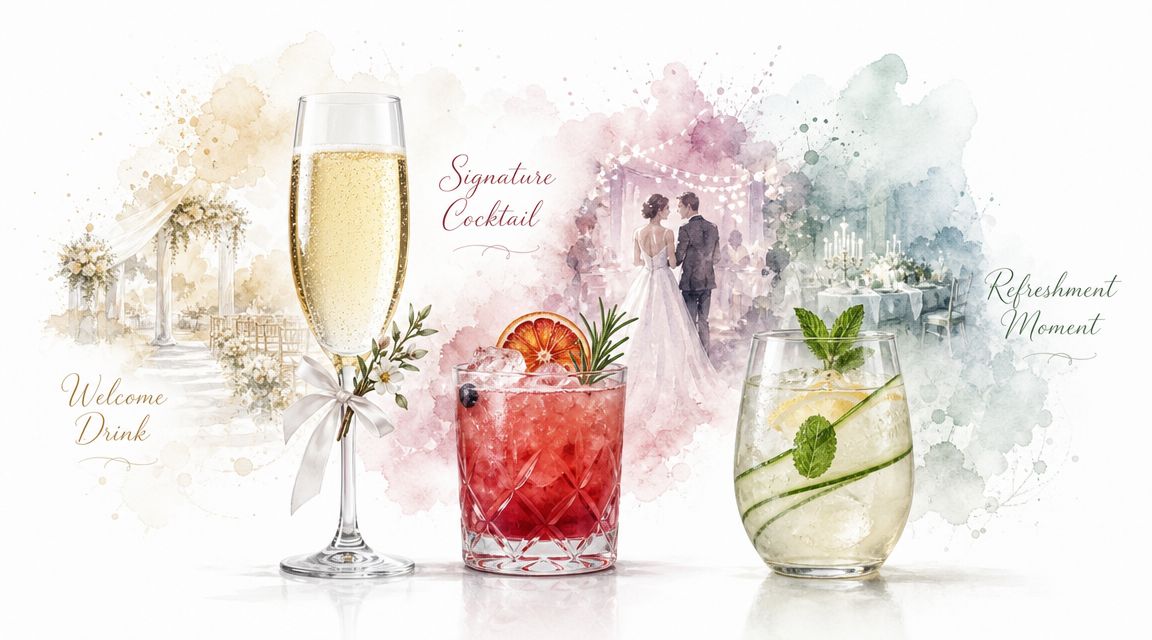
Reception drinks
This is the welcome. Guests have just come out of the ceremony or gathered after arriving. They need something immediate in hand, and the drink style helps set the tone.
Some couples choose sparkling wine. Others prefer a mix that includes local ales, soft options, or a signature cocktail. The right choice depends on the mood you want. Crisp and elegant feels different from relaxed and sociable.
At this stage, keep two things in mind:
- Weather and setting: Terrace celebrations often benefit from refreshing, easy-to-carry drinks.
- Timing: A short reception needs a different quantity and pace from a long photo-and-mingling window.
Drinks for the wedding breakfast
Once guests are seated, the drinks package needs to support the meal rather than distract from it. Usually, that means wine on the tables, water service, and a clear plan for non-drinkers.
This part is often underestimated because couples focus on the menu itself. Yet table drinks shape how generous the meal feels. If the food is elegant but the drinks are underplanned, guests notice the mismatch.
A good way to think about it is in layers:
- Core layer: Water and table wine or alcohol-free equivalents
- Celebration layer: Something sparkling for speeches
- Personal layer: Flexibility for guests who want alternatives
If you're working out what celebratory pours look like in practice, this guide to glasses of champagne can help you visualise the toast element more clearly.
Toast drinks and the evening bar
The toast is brief, but symbolically important. Couples often choose something sparkling because it photographs well and creates a natural focal point for speeches.
Later in the evening, you'll usually choose one of three broad approaches:
- Cash bar: Guests buy their own drinks after the hosted package ends.
- Pre-paid tab: You set a spending limit, then switch once it's reached.
- Hosted package: Drinks continue on an arranged basis for a defined period or menu.
This video gives a useful visual feel for how drinks choices can shape the atmosphere of a wedding celebration:
What couples often forget
Drinks planning isn't only about alcohol. It's also about flow, staffing, glassware changes, and making sure every guest feels included.
Ask these questions early:
- Who isn't drinking alcohol? Build proper alternatives, not an afterthought.
- When does hosted service end? Avoid confusion late in the night.
- Will drinks be passed, tabled, or bar-served? Service style affects both atmosphere and logistics.
- Does the evening need additional refreshment? A long celebration may need more than the meal package alone.
A polished drinks package feels effortless to guests. Behind the scenes, it's one of the clearest examples of why all-in pricing matters more than a simple menu headline.
How Customisation and Guest Count Affect Price
You fall in love with a menu priced at £95 per guest. It sounds clear, tidy, and easy to budget for. Then the fuller quote arrives, and a question arises: is that £95 the meal itself, or the beginning of the story?
For wedding catering, the figure that matters is the all-in cost per guest. That means food, service, drinks, and the choices that shape how the day feels in the room. A menu price on its own is a little like the first sketch of a tablescape in a medieval hall. Useful, yes, but not yet the finished scene.
Many couples struggle to compare venues because the catering headline and the required service costs are shown separately. Clearer all-in guest pricing supports the kind of upfront comparison couples want, as reflected in this discussion of upfront pricing clarity.
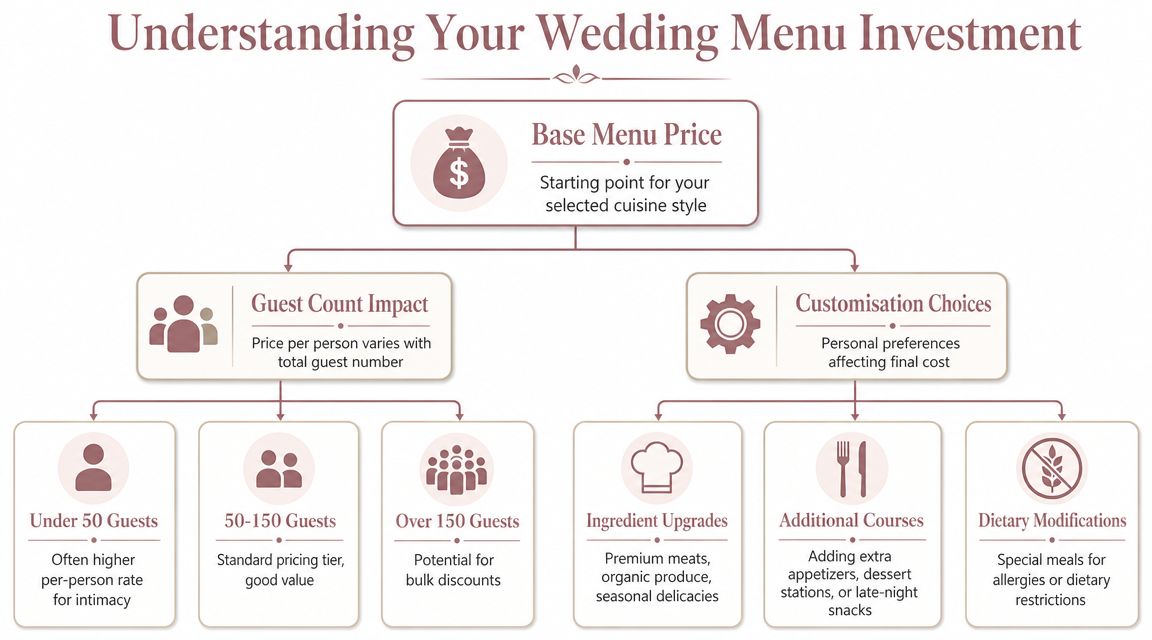
What creates the final per-head number
Start with the base menu price. That is the food format you have chosen, perhaps a plated three-course meal, a sharing feast, or a relaxed barbecue.
Then layer in the parts that turn a menu into a hosted wedding meal:
- Drinks package: Reception drinks, wine or soft drinks with the meal, and the toast
- Service costs: Chefs, waiting staff, setup, clearing, tableware, and timing
- Custom choices: Extra courses, upgraded ingredients, late-night food, or bespoke dishes
- Guest-count effects: Staffing and production needs that change at different wedding sizes
This explains why two weddings with the same menu title can end up with very different totals.
Guest count changes more than the maths
Couples often expect a simple formula: price per head, multiplied by guests, equals the answer. Catering rarely behaves so neatly.
An intimate wedding can carry a higher practical cost per guest because parts of the operation stay much the same whether you host 50 people or 90. The kitchen still has to prep. The room still has to be set. The service team still has to deliver the meal with grace and good timing.
A larger celebration can spread some of those fixed costs more efficiently. It can also introduce its own pressures, including more equipment, more coordination, and tighter pacing between courses. In a historic venue, that choreography matters. The romance guests feel at table often comes from invisible planning behind the scenes.
When you compare menus with prices, ask for the number that reflects your likely guest count, your drinks plan, and the service style you actually want.
The custom choices that quietly raise the bill
Some upgrades are obvious the moment you choose them. Others arrive in smaller increments and build over time.
A richer main course, handmade canapés, a separate vegan dish with its own plating plan, or evening bites for dancing guests may each look modest in isolation. Together, they can change the full per-guest cost in a meaningful way.
Common examples include:
- Ingredient upgrades: Higher-cost cuts, premium seafood, or specialist seasonal produce
- Extra food moments: Canapés, additional courses, dessert stations, or late-night snacks
- Dietary complexity: Allergy protocols, separate preparation, or guest-specific menus
- Service style changes: Moving from a buffet to plated service, or adding more formal table service
That is why a menu with a familiar name does not always produce a familiar final bill.
A simple way to estimate the real cost per guest
The easiest method is to build the price in layers, much like dressing a reception table from linen to candlelight.
- Choose the food format. Start with the menu style that fits the atmosphere of your day.
- Add drinks in stages. Include the welcome drink, table drinks, toast, and any hosted evening service.
- Confirm service charges. Ask what is required for staffing, equipment, setup, and clearing.
- Check the quote against your guest count. A 60-person wedding and a 160-person wedding often price differently beyond simple multiplication.
- Add bespoke elements. Include upgrades, dietary requests, children's meals, supplier meals, and late-night food if needed.
- Ask for one final per-head figure. That single number is the clearest planning tool.
If you are building the wider numbers around catering, Andy Barker's guide for your wedding budget is a useful companion for seeing how food and drink fit into the broader wedding spend.
The aim is clarity. Once you can see how menu price, service, drinks, and guest count stack together, the final bill feels far less mysterious and much easier to shape around the celebration you want.
Common Catering Questions Answered
It is often the final weeks of planning when catering starts to feel less like a pretty menu and more like a set of practical decisions. One evening you are choosing canapes, and the next you are asking who feeds the photographer, what happens if two guests drop out, and whether a cake-cutting fee changes the per-head total.
That shift is completely normal.
At a heritage venue, good catering has to stay graceful under pressure. Menus need to work for changing guest numbers, different dietary needs, and service styles without turning the final bill into a surprise. The goal is not only to choose dishes you love. It is to understand what each choice does to the all-in cost per guest once food, drinks, staffing, and service are counted together.
A useful outside example of adaptable wedding catering appears in this piece on flexible menu design, which shows how a menu can stay cohesive while adjusting for different celebrations.
Can we have a tasting session
Yes, in many cases, and it helps most when you have already narrowed your choices.
A tasting is less about sampling every possible dish and more about confirming that your likely menu feels right as a whole. You are checking flavour, of course, but also balance, seasonality, portion style, and whether the food suits the tone of the day. A formal plated dinner in a historic room should feel different from a relaxed sharing feast in a garden marquee.
If you can, bring your shortlist, your dietary notes, and your priorities. That makes the tasting far more useful than approaching it as a wide-open browsing session.
What about children and supplier meals
These are small line items that can subtly alter the final number.
Children's meals are often priced differently from adult menus, and supplier meals may be simpler, but they still count toward the catering total. A photographer, planner, band, or videographer usually needs feeding at a specific point in the schedule, which can affect staffing and service as much as the food itself.
This is one of those details that catches couples out. The menu price for guests may look settled, then a handful of extra meals nudges the all-in figure upward.
How are allergies handled
Clear information matters more than last-minute improvising.
Share dietary requirements early, then update them as RSVPs are confirmed. Severe allergies, cross-contact concerns, and medically required restrictions should always be identified plainly. Special meals can still feel thoughtful and celebratory, but they need planning time, kitchen coordination, and a service team that knows exactly where each plate is going.
The earlier you share dietary details, the easier it is to create food that is safe, polished, and properly included in the final plan.
Can we bring our own cake
Often, yes, but the cake itself is only one part of the question.
You also need to ask who stores it, who cuts it, how it is plated or served, and whether it replaces dessert or appears later in the evening. Those choices can affect staffing, crockery, timing, and sometimes cost. A cake can feel like a romantic finishing touch, yet it still needs a clear service plan behind it.
What if our numbers change
They usually do.
What matters is the venue's deadline for final numbers and how later changes affect ordering, staffing, drinks, and your invoice. A guest count change is not always a simple case of adding or subtracting one menu price. It can alter the drinks order, staffing levels, table layouts, and the true cost per head.
If you are still sense-checking the wider wedding finances, Andy Barker's guide for your wedding budget is a helpful reference for the categories couples often overlook.
How do we choose between formal and relaxed catering
Start with the feeling you want in the room.
A formal menu usually suits a structured wedding breakfast, seated speeches, and a more traditional flow to the day. A relaxed format often suits movement, conversation, shared platters, and a softer timetable. Neither is automatically more romantic or more practical. The right choice is the one that fits your guests, your setting, and the pace you want from arrival to evening dancing.
Service style also affects the total bill. A plated meal may require different staffing and timing from a buffet or sharing feast, so the atmosphere and the price should be considered together.
What's the best final question to ask a venue
Ask, “What is the all-in cost per guest for the version of the day we want?”
That one question brings everything into focus. It moves the conversation beyond menu prices on a page and into the actual figure that includes food, drinks, service charges, and guest count. For many couples, that is the moment catering stops feeling mysterious and starts feeling manageable.
Battle Abbey Weddings offers historic ceremony and reception spaces in East Sussex, bespoke in-house catering, and transparent pricing across venue hire, food, and drinks so couples can compare options with a clear view of the full celebration cost.