Choosing the best place to get married is arguably the most significant decision in your wedding planning journey. This single choice sets the tone, dictates the style, and creates the backdrop for every memory you and your guests will make. The right venue doesn't just host your day; it becomes a central character in your love story, reflecting your personality as a couple and bringing your vision to life. From the sweeping romance of a historic castle to the tranquil charm of a country garden, the UK offers an unparalleled selection of settings to say "I do."
This guide is designed to navigate that incredible choice. We've curated a comprehensive roundup of the UK's most exceptional venues, moving beyond a simple list to offer a deeper look into what makes each category unique. You will discover the distinct advantages of different venue types, including majestic historic abbeys, elegant country estates, and intimate manor houses. We’ll delve into the practicalities that matter most: capacity, catering options, accessibility, and unique photo opportunities, with a special focus on standout locations like Battle Abbey in Southeast England.
As you explore potential settings, consider that venues often employ diverse strategies to reach couples. Understanding a guide on How to Promote an Event can offer valuable insight into their marketing efforts and how they highlight their unique features. This roundup provides the structured, actionable insights you need to confidently compare your options and find the perfect stage for your unforgettable celebration.
1. Historic Castle and Abbey Venues
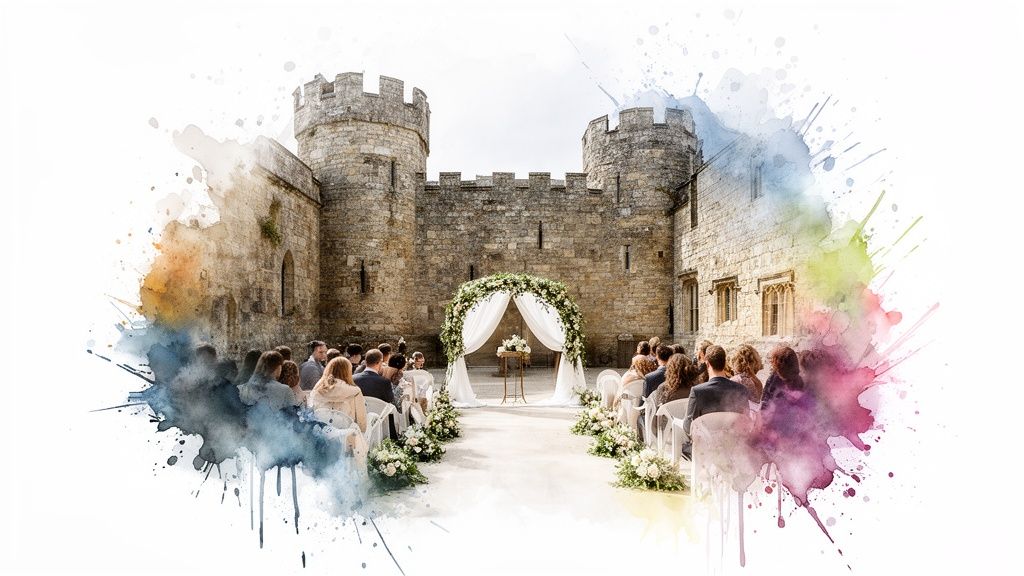
For couples dreaming of a fairy-tale wedding, historic castles and abbeys offer an unparalleled sense of grandeur and timeless romance. These venues aren't just buildings; they are living pieces of history, providing a narrative-rich backdrop that transforms a wedding day into a legendary event. Choosing such a location means your celebration is framed by centuries of stories, creating an atmosphere that is both deeply significant and visually stunning. This makes them a strong contender for the best place to get married if you value heritage and drama.
Why Choose a Historic Venue?
A historic venue’s primary appeal lies in its authentic character. Unlike modern purpose-built venues, locations like Battle Abbey in East Sussex, Peckforton Castle in Cheshire, or Brympton d'Evercy in Somerset come with built-in décor: weathered stone walls, intricate tapestries, and sprawling, manicured grounds. These elements require minimal enhancement, allowing the venue’s inherent beauty to shine. You can discover what makes Battle Abbey a perfect historic wedding venue and how its unique spaces, such as the Abbot's Hall and Duke's Library, cater to both grand and intimate celebrations.
Practical Tips for Historic Venues
Booking a heritage site requires careful planning to honour its protected status.
- Clarify Restrictions Early: Many Grade I and II listed buildings have strict rules about decorations, open flames (candles), and even where sound systems can be placed. Discuss these limitations upfront with the venue coordinator.
- Leverage Natural Light: Historic architecture was designed to capture daylight beautifully. Schedule your ceremony and photography during the 'golden hour' just before sunset for breathtakingly romantic images.
- Work with Approved Suppliers: These venues often have a list of trusted suppliers who understand the logistical challenges and rules of the property, ensuring a smoother planning process.
- Plan for Weather: While a terrace ceremony is idyllic, the British weather is unpredictable. Confirm that a suitable and equally atmospheric indoor space is available as a contingency.
2. English Country Estate Gardens and Grounds
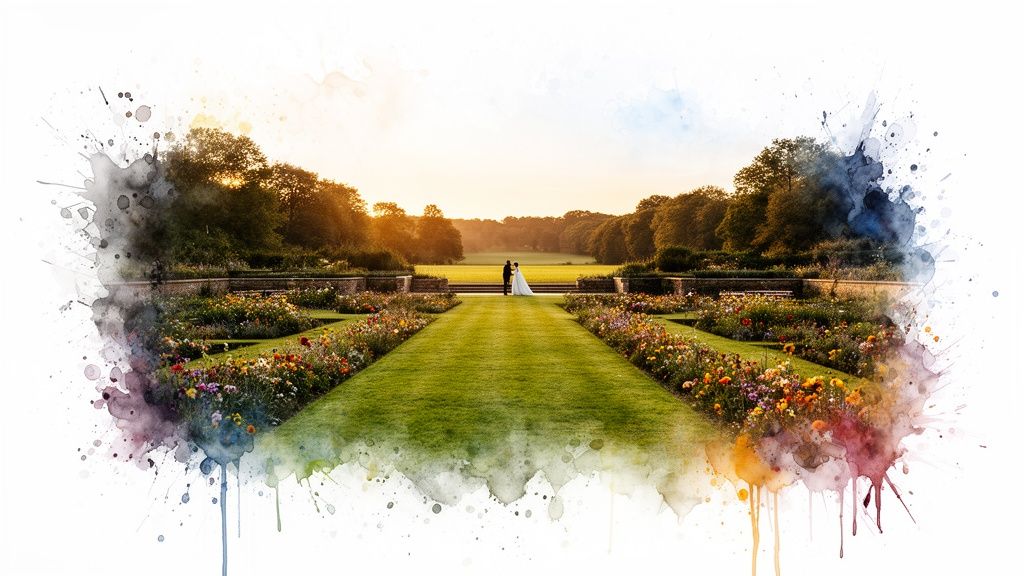
For couples who envision an elegant, open-air celebration, the manicured gardens and sprawling grounds of an English country estate are idyllic. These venues offer a blend of curated natural beauty and stately architecture, providing a versatile and breathtaking canvas for both ceremonies and receptions. Choosing to get married amidst lush landscapes, historic parkland, and blooming floral displays creates a serene and romantic atmosphere that is both grand and intimately connected to nature. This makes a country estate an exceptional choice for the best place to get married if you desire flexibility and scenic splendour.
Why Choose a Garden or Estate Venue?
The primary allure of an estate garden is its seamless integration of indoor elegance and outdoor magnificence. Venues like Battle Abbey in East Sussex, with its Top Terrace overlooking the famous 1066 battlefield, or the ornate gardens of Mapperton House in Dorset, offer multiple stunning settings in one location. These spaces allow for a natural flow, from a sun-drenched ceremony on the lawn to a drinks reception on the terrace, followed by dinner inside a historic hall. The grounds themselves act as living décor, changing with the seasons to offer unique backdrops throughout the year.
Practical Tips for Garden and Estate Venues
Hosting an event outdoors requires thoughtful coordination to ensure guest comfort and a flawless experience.
- Plan for All Weathers: A solid rain contingency is non-negotiable in the UK. Confirm that a beautiful indoor alternative is available or plan for a stylish marquee that complements the estate’s aesthetic.
- Visit in Your Wedding Season: A garden's appearance varies dramatically. Visit the venue during the same season as your planned wedding to see exactly which flowers will be in bloom and how the light falls.
- Consider Guest Logistics: Ensure there are clear, accessible pathways for all guests, especially on sprawling estates. Good signage, ample parking, and well-lit routes for the evening are essential.
- Enhance the Evening Atmosphere: As dusk falls, use subtle, strategic lighting to highlight key features like ancient trees, fountains, or architectural details. This creates a magical ambience for your evening reception.
3. Intimate Historic Manor House Venues
For couples who envision a refined and deeply personal celebration, an intimate historic manor house offers a perfect blend of character and exclusivity. These venues cater to smaller guest lists, typically between 40 and 80 people, allowing for a luxurious, high-touch experience where every detail is curated. Choosing a manor house means prioritising bespoke service and meaningful interactions, creating a warm, inviting atmosphere that feels less like a large event and more like a sophisticated gathering of your closest friends and family. This makes it a compelling choice for the best place to get married if intimacy and elegance are your top priorities.
Why Choose an Intimate Manor House?
The core appeal of an intimate historic venue is the exclusive and personalised experience it provides. With a high staff-to-guest ratio, the focus is on impeccable service and flawless execution. Venues like Rathe Barn in Oxfordshire or The Mill Barns in Shropshire are designed for smaller weddings, ensuring the space never feels empty. Similarly, Battle Abbey’s part-site option, which accommodates up to 60 guests in its magnificent Abbot's Hall and Duke's Library, allows couples to enjoy the grandeur of a historic landmark while maintaining an intimate feel. This approach provides the best of both worlds: historical significance on a personal scale.
Practical Tips for Manor House Venues
Booking a smaller historic venue requires a focus on maximising the space and embracing its unique character.
- Finalise Your Guest Count: Intimate venues have strict capacity limits. Finalise your guest list early in the planning process, as these popular venues can book to their maximum capacity quickly.
- Embrace Existing Décor: Let the venue's period features, such as original fireplaces, wood panelling, and ornate plasterwork, guide your styling. Use vertical décor like tall floral arrangements and dramatic lighting to enhance the interiors without cluttering the floor space.
- Hire an Experienced Planner: A wedding planner who has experience with space constraints in historic properties can be invaluable for coordinating logistics and optimising the layout.
- Plan Ancillary Events: If you wish to host a welcome reception or rehearsal dinner, consider booking a charming local pub or restaurant to preserve the exclusivity of the main venue for the wedding day itself.
4. Licensed Ceremony and Reception Venues (Civil and Humanist)
For couples seeking a seamless and stress-free wedding day, an all-in-one venue licensed for both civil or humanist ceremonies and receptions is the ultimate solution. These venues eliminate the logistical challenges of transporting guests between different locations, allowing the celebration to flow effortlessly from vows to toasts to the final dance. This integrated approach not only simplifies planning but also maximises celebration time, making it a popular choice for couples who want to savour every moment with their loved ones. This convenience makes it a top contender for the best place to get married.
Why Choose an All-in-One Licensed Venue?
The primary benefit of a licensed venue is the cohesive experience it offers. Locations like Battle Abbey in East Sussex, where you can hold a ceremony in the historic Abbot's Hall before moving to the Duke's Library and terraces for the reception, create a fluid narrative for your day. Other examples include Loseley Park in Surrey or Peckforton Castle, both offering multiple licensed spaces for every part of the celebration. Having everything under one roof means one point of contact, one contract, and a dedicated team focused on your entire event, from start to finish. You can discover how Battle Abbey’s licensed spaces provide a stunning all-in-one experience.
Practical Tips for Licensed Venues
Booking a single venue for your ceremony and reception streamlines planning but requires attention to detail.
- Clarify Licensing Limitations: During your initial consultation, confirm the venue’s specific licence details. Ask about capacity for different spaces, restrictions on noise levels, and cut-off times for music and serving alcohol.
- Design a Smart Timeline: With no travel time needed, you can plan a more relaxed schedule. Use the extra time to incorporate unique entertainment, a cocktail hour, or more opportunities for photography on the grounds.
- Plan the Guest Flow: Work with your coordinator to map out how guests will move from the ceremony area to the drinks reception and finally to the dining space. A well-planned transition ensures the day feels smooth and organised.
- Confirm Supplier Policies: Some licensed venues have exclusive or preferred supplier lists, particularly for catering and entertainment. Confirm if you can bring in third-party DJs or lighting providers to avoid any surprises.
5. Locally-Sourced Farm-to-Table Catering Integration
For couples who see food as a central part of their celebration, venues that champion farm-to-table catering offer a deeply personal and flavourful experience. This approach goes beyond standard wedding menus, focusing on seasonal, locally-sourced ingredients that tell the story of the region. Integrating this philosophy into your wedding day not only supports local agriculture and sustainability but also provides guests with a memorable culinary journey, making it a key consideration when choosing the best place to get married.

Why Choose Farm-to-Table Catering?
The primary appeal of farm-to-table is the exceptional quality and freshness of the food. Menus built around seasonal produce from the local area are vibrant, delicious, and unique to your wedding's time and place. Venues like Battle Abbey Weddings utilise their in-house catering teams to craft bespoke menus with ingredients from across East Sussex, ensuring an authentic taste of the region. Other examples include Nyetimber Estate in West Sussex, which focuses on pairings with its own acclaimed wines, or Borde Hill Garden, which partners with dedicated local caterers.
Practical Tips for a Farm-to-Table Menu
Planning a seasonal menu requires a collaborative approach with your venue and caterer.
- Plan Tastings Seasonally: Arrange your menu tasting during the same season as your wedding to sample ingredients when they are at their peak flavour.
- Discuss Dietary Needs Thoroughly: Ensure the catering team has robust protocols for managing allergies and dietary requirements, especially with complex, fresh ingredient-based dishes.
- Embrace Non-Traditional Formats: A farm-to-table ethos works brilliantly with relaxed formats like elegant BBQs, hog roasts, or sophisticated afternoon teas that showcase local cheeses, meats, and preserves.
- Request Local Pairings: Ask your venue to recommend local wines, craft beers, or spirits to complement your menu and provide a complete regional experience for your guests.
6. Multi-Generational Accessible Heritage Venues
For couples whose guest lists span several generations, finding a venue that marries historic elegance with modern accessibility is paramount. Multi-generational accessible heritage venues provide the perfect solution, ensuring that elderly relatives, guests with mobility needs, and families with young children can all celebrate together comfortably. These locations thoughtfully preserve their historic charm while integrating features like ramp access and accessible facilities, making them an inclusive and considerate choice for a truly family-focused celebration.
Why Choose an Accessible Heritage Venue?
The core appeal of these venues is their ability to deliver a fairy-tale experience without excluding any loved ones. While the dramatic staircases and ancient flagstones of historic sites are beautiful, they can pose significant challenges. Venues like Battle Abbey, Wakehurst Place in West Sussex, and Borde Hill Garden have adapted their spaces to welcome everyone. For example, Battle Abbey's tiered terrace and ground-floor event spaces have multiple entry points, and the venue team is adept at creating seamless routes between the ceremony, reception, and facilities for all guests. This focus on inclusivity makes it one of the best places to get married for a diverse guest list.
Practical Tips for Accessible Venues
Ensuring a smooth experience for every guest requires proactive planning and clear communication.
- Conduct a Detailed Site Assessment: Walk through the venue specifically to identify accessible routes, rest areas, and potential obstacles. Confirm the locations of ramps, lifts, and accessible restrooms.
- Coordinate Specific Accommodations: Discuss your guests' individual needs with the venue coordinator well in advance. This could include arranging reserved parking near the entrance or ensuring specific seating plans.
- Communicate with Guests: Include accessibility information on your wedding website or invitations. Let guests know about available facilities so they can plan accordingly and feel confident attending.
- Plan Seating and Flow: Work with your coordinator to design a layout that minimises long walks and avoids stairs for guests who may find them difficult. Ensure key areas like the bar, dance floor, and restrooms are easily reachable.
7. Destination Wedding Settings with Accommodations and Travel Logistics
For couples whose guests are travelling from afar, a destination wedding offers an immersive, multi-day experience that transforms a single day into a memorable getaway. These venues are chosen not just for their beauty, but for their ability to host a celebration that extends beyond the ceremony itself. A scenic historic venue becomes the central hub for an entire wedding weekend, providing a unique sense of occasion and simplifying coordination for guests who have made a special journey to attend, making it the best place to get married for a truly shared experience.
Why Choose a Destination Venue?
The core appeal of a destination wedding is the elevated guest experience. By integrating accommodation and travel logistics into your planning, you create a seamless and stress-free event for everyone. Venues like Thornbury Castle in Gloucestershire or Pennyhill Park Hotel & Spa in Surrey attract national and international guests with their heritage charm and comprehensive facilities. Similarly, a venue such as Battle Abbey in East Sussex, while not offering on-site accommodation, excels as a destination by being located near the vibrant coastal town of Hastings, with its plentiful hotels and transport links. This allows for a perfect blend of historic grandeur and local exploration.
Practical Tips for Destination Venues
Organising a destination event requires meticulous coordination to ensure guests feel welcomed and cared for from arrival to departure.
- Coordinate Accommodation Blocks: Work with nearby hotels, B&Bs, and holiday rentals to arrange room blocks or guest discounts. This simplifies the booking process for your guests.
- Create Detailed Welcome Packages: Provide guests with a welcome pack containing travel directions, accommodation details, a schedule for the weekend, and recommendations for local attractions and dining.
- Arrange Guest Transportation: Organise shuttle services or coaches to transport guests between their accommodation and the wedding venue, especially if the locations are not within walking distance.
- Plan a Multi-Day Itinerary: Extend the celebration with a welcome reception, rehearsal dinner, or a post-wedding brunch. This gives you more quality time with your loved ones and makes their journey feel worthwhile.
8. Flexible Capacity Scaling (Intimate to Large Celebrations)
Guest lists are often the most unpredictable part of wedding planning, fluctuating from initial estimates to the final count. A venue that offers flexible capacity scaling is a significant asset, removing the stress of finding the perfect place only to outgrow it or have it feel too empty. These adaptable locations can seamlessly transition from an intimate gathering to a grand affair, making them an excellent choice for the best place to get married, whatever your final guest number.
Why Choose a Scalable Venue?
The core benefit of a scalable venue is peace of mind. Instead of committing to a space that only suits one specific number, you choose a location that evolves with your plans. Venues like Battle Abbey in East Sussex exemplify this, offering part-site hire for intimate weddings of 40-60 guests or exclusive full-site hire for larger celebrations of up to 250. Similarly, Mapperton House in Dorset and Wakehurst Place in West Sussex provide versatile indoor and outdoor configurations to match your event's scale. This flexibility ensures the atmosphere is just right, whether your reception is cosy and personal or large and lavish. For smaller events, you can discover some wonderful small wedding reception ideas that make an intimate space feel truly special.
Practical Tips for Scalable Venues
To make the most of a venue with flexible capacity, proactive planning is key.
- Discuss Scaling Tiers Early: During your initial consultation, ask about the different capacity options and the associated pricing tiers. Understand the cut-off points for guest numbers.
- Plan Adaptable Décor: Choose decorative themes and floral arrangements that can be scaled up or down. A good decorator can make the same space feel full and welcoming for 60 guests or 160.
- Confirm Vendor Flexibility: Ensure your key suppliers, especially caterers and entertainment, can adjust their services and pricing based on your final confirmed numbers.
- Set Clear Cut-Off Dates: Work with your venue to establish firm dates for finalising your guest count. This is crucial for catering, seating plans, and staffing arrangements.
9. Historic Photo Opportunities and Content Creation Focus
In an era dominated by visual storytelling, the best place to get married often doubles as a spectacular content studio. Venues rich with photogenic backdrops, such as historic ruins, sweeping terraces, and period interiors, provide an endless supply of inspiration for both professional photographers and guests. This focus on imagery ensures your wedding is not just an event but a well-documented story, beautifully captured and ready to be shared.
Why Prioritise a Photogenic Venue?
Choosing a location with diverse photo opportunities elevates your wedding album from a simple collection of portraits to a cinematic narrative. Venues like Thornbury Castle with its Tudor architecture and courtyards, or Battle Abbey with its majestic Abbot's Hall and stunning Top Terrace vistas, offer a built-in art director. Every corner presents a new composition, ensuring your professional photos are unique and your guests' social media posts are equally impressive. For couples and venues looking to amplify their story, exploring comprehensive content creation resources can enhance historic photo opportunities and overall visual narratives.
Practical Tips for Maximising Photo Opportunities
A photogenic venue provides the canvas; a smart plan brings the masterpiece to life.
- Conduct a Site Survey: Visit the venue with your photographer before the wedding day to scout the best locations and assess the lighting at different times.
- Plan for Golden Hour: Schedule your portrait session during the 'golden hour' just before sunset. The soft, warm light creates an undeniably romantic and flattering atmosphere.
- Vary Your Backdrops: Create a shot list that includes multiple locations, from grand architectural exteriors to intimate, character-filled indoor spaces, to add variety and depth to your gallery.
- Guide Your Guests: Consider providing a small "photo map" or elegant signage pointing guests to recommended spots for their own pictures, preventing disruption to key moments.
- Secure Drone Permissions: If you envision dramatic aerial shots, confirm the venue’s policy on drone photography well in advance and ensure your operator has the necessary permissions.
10. Bespoke Planning, Coordination and Transparent Pricing
The best place to get married isn't just about a beautiful setting; it's also about a seamless, stress-free experience. Venues that offer experienced, in-house planning support combined with clear, transparent pricing eliminate the biggest sources of wedding anxiety: organisational chaos and financial uncertainty. Choosing a location with integrated expert coordination and straightforward costs means you can focus on the joy of the occasion, confident that every detail is being managed professionally.
Why Choose a Venue with Integrated Support?
An experienced planning team is invaluable. They know the venue inside and out, from the best photo spots to the logistical quirks of the space. This built-in expertise streamlines the entire process. For instance, Battle Abbey provides dedicated support from a team with over 30 years of experience, alongside transparent pricing for 2025–2027, ensuring no hidden surprises. Other venues like Peckforton Castle and Loseley Park also offer dedicated coordinators, simplifying everything from vendor management to creating a flawless event timeline. This integrated approach ensures your vision is executed perfectly.
Practical Tips for Evaluating Venue Support
To ensure a venue's planning services and pricing meet your needs, proactive communication is key.
- Interview the Coordinator: During your venue tour, meet the coordinator you would be working with. This helps you assess their communication style and ensure you have a good rapport.
- Clarify Responsibilities: Understand exactly what the coordinator’s role entails. Ask if they assist with vendor selection, décor setup, timeline management, and day-of coordination.
- Request Itemised Pricing: Ask for a detailed breakdown of costs, separating venue hire from catering and beverage packages. Request multi-year rate cards if you're planning well in advance.
- Ask the Right Questions: Being prepared with a comprehensive list of enquiries is crucial. You can find inspiration by reviewing these essential questions to ask your wedding venue to cover all bases, from contingency plans to supplier policies.
Top 10 Wedding Venue Comparison
| Venue | 🔄 Implementation complexity | ⚡ Resource requirements | ⭐ Expected outcomes | 📊 Ideal use cases | 💡 Key advantages / tips |
|---|---|---|---|---|---|
| Historic Castle and Abbey Venues | High — preservation rules, permit constraints | High — premium hire fees, approved suppliers, specialist logistics | ⭐⭐⭐⭐⭐ — iconic visuals, prestige, memorable guest experience | Heritage-focused, fairy‑tale ceremonies, destination weddings | 💡 Exceptional photogenic settings; clarify décor and music restrictions early |
| English Country Estate Gardens and Grounds | Medium‑High — weather contingency & site logistics | High — garden maintenance, parking, marquees for backup | ⭐⭐⭐⭐ — expansive outdoor aesthetics and large capacity | Large outdoor ceremonies (75–250+), garden‑led celebrations | 💡 Visit across seasons; arrange robust rain plans and guest logistics |
| Intimate Historic Manor House Venues | Medium — bespoke coordination, space planning | Medium — higher staff‑to‑guest ratio, limited on‑site amenities | ⭐⭐⭐⭐ — exclusive, intimate luxury experience | Small luxury weddings (40–80), high‑touch celebrations | 💡 Embrace existing character; plan guest counts carefully |
| Licensed Ceremony & Reception Venues (Civil/Humanist) | Low–Medium — single‑site simplifies flow but licensing rules apply | Medium — licensing compliance, possible extended‑hours fees | ⭐⭐⭐⭐ — seamless all‑in‑one celebrations, reduced logistics | Couples wanting efficient, extended evening entertainment | 💡 Confirm license limits (noise, DJs) and design timeline to use extended hours |
| Locally‑Sourced Farm‑to‑Table Catering Integration | Medium — seasonal sourcing and menu coordination | Medium — supplier partnerships, seasonal cost variability | ⭐⭐⭐⭐ — distinctive, sustainable culinary identity | Environmentally‑conscious couples; regionally themed menus | 💡 Plan tastings 6–9 months out; request sourcing and allergen protocols |
| Multi‑Generational Accessible Heritage Venues | Medium‑High — accessibility upgrades vs. preservation balance | Medium‑High — infrastructure modifications and upkeep | ⭐⭐⭐⭐ — inclusive participation across ages and needs | Multi‑generational families; guests with mobility needs | 💡 Conduct detailed accessibility audit and communicate features to guests |
| Destination Wedding Settings with Accommodations & Travel | High — travel coordination, multi‑day scheduling | High — hotel blocks, transport, guest services, longer planning window | ⭐⭐⭐⭐ — immersive multi‑day experiences and elevated prestige | Destination guests, international attendees, multi‑day celebrations | 💡 Secure room blocks, arrange transport and welcome packs early |
| Flexible Capacity Scaling (Intimate → Large) | Medium — modular configurations and contingency planning | Medium — scalable staffing, catering and venue areas | ⭐⭐⭐⭐ — adaptable scale, reduces risk from guest fluctuation | Uncertain guest lists; events needing scalability | 💡 Confirm tiered pricing, cut‑off dates and vendors’ scaling capabilities |
| Historic Photo Opportunities & Content Creation Focus | Low–Medium — scheduling and guest photo management | Low–Medium — photographer access, possible permits | ⭐⭐⭐⭐ — strong visual storytelling and social reach | Couples prioritizing professional photography and social content | 💡 Do a photo site survey; set guest photography zones and social media guidelines |
| Bespoke Planning, Coordination & Transparent Pricing | Low (for couple) — venue handles planning details | High — experienced coordinators typically charge premium fees | ⭐⭐⭐⭐⭐ — reduced stress, predictable budgets, professional execution | Couples wanting full‑service planning and cost transparency | 💡 Interview coordinators, request itemized/multi‑year pricing and written quotes |
Crafting Your Perfect Day: Making the Final Venue Choice
Choosing your wedding venue is arguably the most significant decision you'll make in the entire planning process. It’s the canvas upon which your entire day is painted, influencing everything from the guest experience and catering options to the photographic style and overall atmosphere. Throughout this guide, we've explored a diverse landscape of possibilities, from the regal grandeur of historic castles and the romantic allure of English country estates to the cosy charm of intimate manor houses. The journey to find the best place to get married is not about finding a universally perfect location, but about discovering the one that is uniquely perfect for you.
Your ideal venue is a place where your vision, budget, and guest list harmonise. It's a space that feels authentic to you as a couple, reflecting your personalities and the story you wish to tell. As we've seen, the criteria for "best" are deeply personal. For one couple, it might be the sprawling grounds of a country estate offering endless outdoor photo opportunities. For another, it's the profound sense of history within the stone walls of an ancient abbey.
By breaking down the decision into key components like capacity, accessibility, catering, and coordination, you transform a potentially overwhelming task into a structured and exciting journey. This methodical approach ensures no detail is overlooked and that your final choice is as practical as it is beautiful.
Key Takeaways for Your Venue Search
To synthesise the insights from our exploration, let's revisit the core principles that will guide you to a confident decision:
Define Your Non-Negotiables First: Before you even begin your search, create a priority list. Is a specific catering style essential? Do you need on-site accommodation for your wedding party? Is accessibility for multi-generational guests a top concern? Knowing your absolute must-haves will immediately narrow down the field and make your search far more efficient.
Align Atmosphere with Your Vision: Think beyond the logistics and consider the feeling you want to create. Are you dreaming of a dramatic, fairy-tale entrance? A relaxed, garden-party vibe? Or an intimate, candlelit dinner? A venue like Battle Abbey, for instance, naturally lends itself to a historic, romantic, and awe-inspiring atmosphere, making it a standout choice for couples seeking that specific narrative.
Analyse the Practicalities: A beautiful venue is only as good as its practical execution. Scrutinise the details we've discussed:
- Capacity Flexibility: Does the venue comfortably accommodate both your ceremony and reception, even if guest numbers shift slightly?
- Coordination and Support: What level of planning support is included? A dedicated coordinator can be the difference between a stressful process and a seamless celebration.
- Transparency in Costs: Ensure you have a clear understanding of what is included in the venue hire fee versus what constitutes an additional expense.
Envision the Complete Experience: The best place to get married offers more than just a room; it provides a comprehensive experience. Consider the journey from your guests' arrival to the final farewell. How do the spaces flow? Where will the key moments, like the ceremony, cocktail hour, and first dance, take place? Visualising this flow will help you assess if a venue truly works for the event you have in mind.
Ultimately, your wedding venue is the silent host of your special day. It’s the backdrop for laughter, tears of joy, and the creation of memories that will be cherished for a lifetime. By investing the time to carefully research and reflect on what truly matters to you, you empower yourself to choose a location that not only meets your logistical needs but also captures the essence of your love story. This thoughtful selection is the foundational step in crafting a celebration that is as unforgettable as it is uniquely yours.
Ready to explore a venue that masterfully blends historic grandeur with bespoke wedding planning? Discover how Battle Abbey Weddings can provide the fairy-tale backdrop for your celebration. To learn more about our exclusive packages and see the stunning spaces for yourself, visit us at Battle Abbey Weddings.