Begin Your Own Historic Saga
You're already at the stage where the usual wedding ideas feel too neat, too safe, too interchangeable. If your instinct keeps drifting towards stone halls, candlelight, long tables, and the sense that your day should feel like it belongs to a much older story, then medieval themed wedding ideas are the right direction. The best versions don't look like a costume party. They feel like a real celebration rooted in heritage, atmosphere, and ceremony.
That is why a site like Battle Abbey Weddings works so naturally for this aesthetic. Its medieval setting gives you the sort of architecture, grounds, and historical weight that do half the styling work for you before a single ribbon is tied. If you're also thinking about guest experience beyond the venue itself, the nearby Kent vineyard scene at chalk terroir wines shows how strongly the region supports a full destination feel.
The smartest medieval weddings use the venue as the centrepiece, then layer in details that feel authentic, elegant, and practical. That means choosing ideas that suit the building, the light, the menu, and the way guests move through the day. It also means resisting the temptation to pile on props when the setting already carries the story.
1. Medieval Castle Ceremony and Outdoor Reception
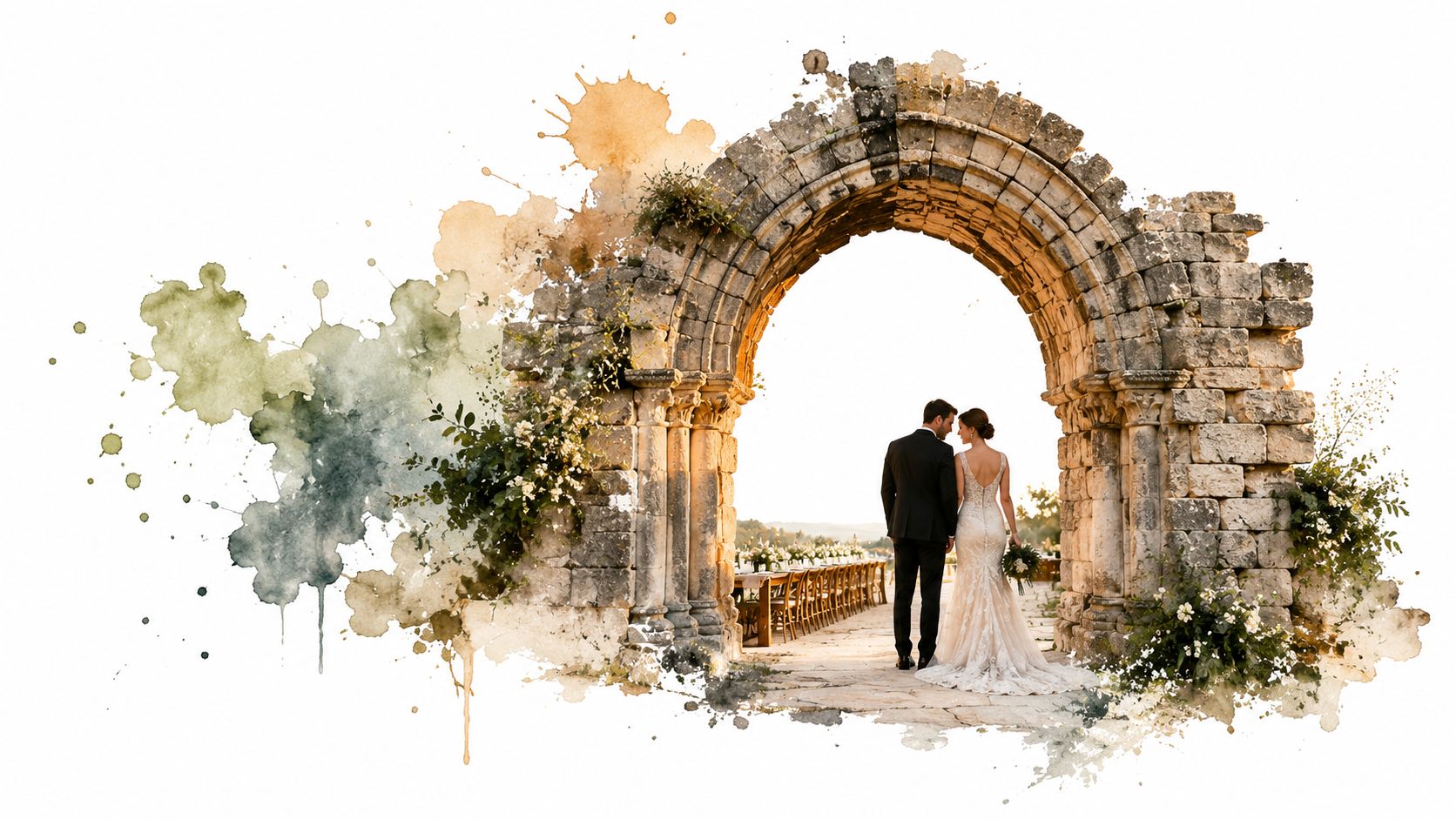
A ceremony held against real stone changes the whole mood of the day. At Battle Abbey, the architecture and battlefield views do the heavy lifting that many couples try to fake with oversized décor, and that restraint is what keeps the theme looking refined instead of forced. The Abbot's Hall gives you a licensed indoor ceremony space with period character, while the terraces and lawns open the way to outdoor drinks, dining, and photographs that belong to the site.
Let the setting carry the theme
Use the venue's own lines, arches, and masonry as the ceremony backdrop. The Top Terrace and Six Penny Lawn give you outdoor space with a battlefield horizon, so the day feels open and historic rather than squeezed into one room. For the reception, long communal tables on the lawn suit the medieval mood far better than round-table formality, especially once the light begins to fade and lanterns start to glow.
Practical rule: If a venue already looks medieval, stop decorating when the architecture is telling the story clearly.
That approach also prevents the common mistake of overloading a heritage venue. Faux armour, oversized florals, and novelty props can bury the atmosphere instead of strengthening it, especially on a site that already carries real history. Battle Abbey's stone, grounds, and evening light already create the drama, so focus on layout, candlelight, and weather-proof planning rather than piling on more objects.
The logistics matter just as much as the look. Historic spaces often come with tighter rules, uneven ground, and guest-access limits, so the plan has to work for the venue instead of fighting it. If you want a medieval wedding that feels immersive and still functions for modern guests, start with the site's natural character and add only what improves comfort, movement, or the ceremony itself.
2. Medieval Banquet Reception with Period Menus
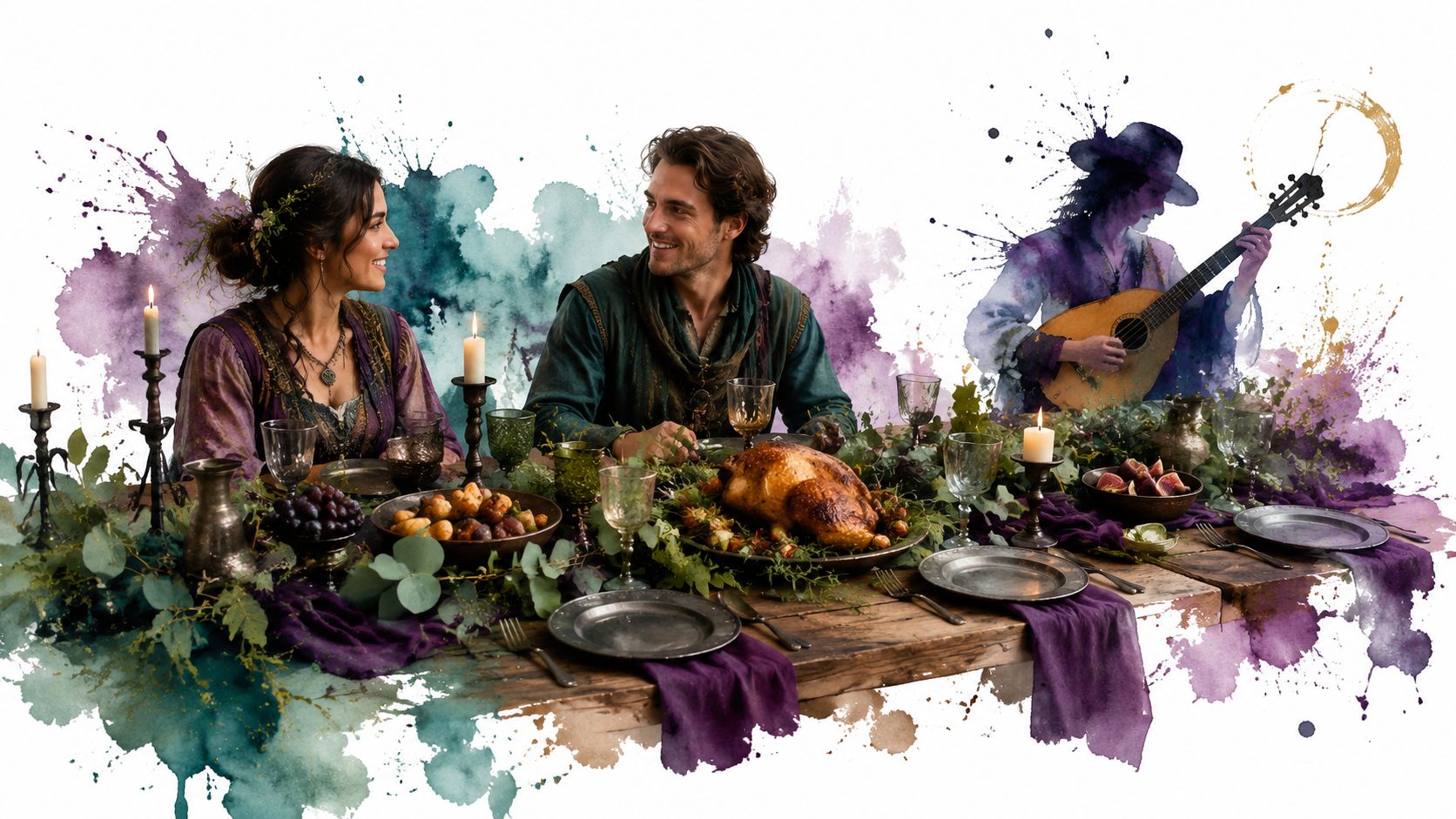
A banquet-style reception is the fastest way to make a medieval wedding feel deliberate. Long tables, shared conversation, and course-by-course service create the sense of feasting in a great hall, which suits the romance of the period far better than a generic wedding breakfast. At Battle Abbey, that style pairs neatly with in-house catering and the venue's banquet-friendly spaces, especially if you want the meal to feel part of the performance rather than a pause between formalities.
Build the meal like a ceremony
Choose a menu that reads as abundant and grounded, not gimmicky. Roasted meats, pies, and East Sussex produce suit the mood because they echo the sort of hearty, regional fare that works in a historic setting. If you want more flexibility, a BBQ or hog roast can still feel elegant when it's dressed with proper service, good platters, and a disciplined table design.
The key is pacing. A banquet format gives you room for theatrical presentation, but it also lengthens service, so you need a venue team that knows how to manage timings without making guests feel stuck. That matters in a heritage venue where dinner, speeches, and dancing all have to fit within a carefully structured evening.
Serve food as hospitality, not spectacle alone. Guests remember that the meal felt generous, well-run, and easy to enjoy.
Battle Abbey's White Swan menu is relevant here because the venue already frames catering as part of the overall experience, not an afterthought. That means you can push the medieval aesthetic through presentation, ingredients, and service style without slipping into novelty territory.
The strongest banquet receptions also invite conversation. Communal seating naturally encourages guests to talk, which is exactly what a medieval-inspired feast should do. If the room feels warm, the food feels abundant, and the layout feels intentional, the whole reception lands as immersive rather than staged.
3. Medieval Costume and Period Attire for the Wedding Party
The wedding party sets the visual tone before the couple even enters. Medieval-inspired attire works best when it borrows the shape and richness of the era, then keeps the tailoring clean enough for modern movement, comfort, and photography. Use structured gowns, tunics, doublets, veils, circlets, and jewel-toned fabrics. Skip cheap fancy-dress replicas.
Keep the silhouette elegant
The right look depends on restraint. A gown with a medieval line, a groom's outfit with a subtle doublet shape, or groomsmen in coordinated pieces with a hint of heraldic detail will read as authentic without feeling theatrical. If you want stronger accents, use them sparingly, such as a gauntlet detail, a crest motif, or a headpiece that echoes period styling.
For bridal headwear, Battle Abbey's guidance on how to make a flower crown shows how floral design can sit comfortably between historical inspiration and a bridal look that still feels graceful today. That balance suits this theme perfectly. The romance should come through first, then the period detail.
One common mistake is dressing everyone as if the day were a full costume production. That flattens the look into parody, especially in photographs. Give the couple or the closest members of the wedding party the strongest period styling, then keep everyone else in a coordinated palette with one or two medieval cues.
Rich fabric matters more than novelty detail. Velvet, brocade, embroidery, and layered textiles feel more believable than props.
The setting at Battle Abbey helps the clothing work harder. Stone, candlelight, and historic interiors make high-quality costume elements look natural, while the same outfits can feel forced in a modern hotel ballroom. If you want structure under a gown, bridal corsets from LUXE NOIR can support the silhouette without breaking the period mood.
4. Heraldic Symbolism and Family Crest Décor
Heraldry gives a medieval wedding meaning. Instead of decorating only for atmosphere, you're building a visual language around family identity, initials, symbols, and shared history. That is what separates a good medieval theme from a generic dark-romance style, because crest-based design makes the wedding personal as well as period-appropriate.
Use one crest everywhere
Start with one custom heraldic device, then repeat it across the stationery, signage, table details, and ceremony styling. A crest on the invitation, matching table markers, and a ceremony backdrop creates coherence without needing a lot of extra ornament. If you already have family arms, use them carefully and accurately. If you don't, create an original symbol that feels rooted in the wedding rather than borrowed from fiction.
The value of heraldry is visual discipline. It gives you a clear motif, and that keeps the wedding from becoming a jumble of unrelated medieval references. Banners, shield shapes, and stained-glass-inspired graphics all work, but only when they follow a single design logic.
You can also let the venue deepen the meaning. Battle Abbey already carries a strong historical identity, so a crest-led design feels less like themed dressing and more like you are placing your own story inside a real heritage setting. That makes the entire day feel more grounded.
Don't overload the space with symbols. One strong crest repeated well is more powerful than ten competing medieval motifs.
This is also one of the more affordable visual systems once the design is established. After the crest exists, it can move across menus, place cards, welcome signs, and favours without needing a new concept each time. That saves you from the usual trap of buying separate decor for every touchpoint.
5. Medieval Entertainment with Performers, Musicians, and Activities
Entertainment is where many medieval weddings go too far or not far enough. The right answer is not to cram the day with gimmicks, it's to choose one or two experiences that fit the venue and support the mood. Live medieval musicians, costumed performers, or a well-timed procession can make the event feel alive without turning it into a fairground.
Choose performers who understand restraint
A lute player, harpist, or small ensemble immediately strengthens the theme because the sound belongs to the atmosphere. Add a herald, storyteller, or jester only if the performance style suits your guests and your venue's tone. The performance should lead people into the setting, not overpower the ceremony or distract from the couple.
Interactive elements can work, but they need judgment. Living chess, archery displays, and falconry-inspired entertainment create memorable moments, yet they also bring safety and coordination challenges, especially in historic grounds. If you use them, place them carefully and treat them as one part of the day rather than the headline act.
Battle Abbey is especially suited to entertainment that feels woven into the architecture. Stone acoustics, outdoor views, and moving between hall, terrace, and lawn give performers multiple moments to appear and disappear naturally. That creates a sense of procession and occasion, which is exactly what medieval entertainment should do.
The best medieval entertainment feels ceremonial first and theatrical second.
Couples often assume “more entertainment” means a better guest experience. It doesn't. Guests prefer rhythm, not overload. One strong musical arrival, one elegant performance during drinks, and one late-evening feature will usually feel richer than a packed schedule of short acts.
6. Medieval Ceremony Processional with Period Traditions
A processional sets the tone before anyone sits down. Medieval processions work because they create formality, hierarchy, and anticipation, all of which suit a historic venue like Battle Abbey. With banners, ceremonial music, and a deliberate pace, the ceremony becomes a public ritual rather than a standard walk to the aisle.
Make the entrance feel intentional
Use a herald or standard bearer if your wedding party is large enough and the venue allows it. Bring in period-inspired music, then give each person in the processional a clear role so the movement feels composed rather than improvised. The bride can still be escorted in a modern, meaningful way, but the surrounding details should echo the formality of the setting.
The strongest processional scripts borrow the feeling of medieval tradition without forcing archaic language that confuses guests. A clean declaration, a measured walk, and a ceremony order that respects the architecture will land much better than trying to mimic a museum performance. Battle Abbey's Abbot's Hall is a strong setting for this because its character naturally supports a more solemn and structured entrance.
You also need to think about acoustics. Historic stone can make music feel beautiful, but it can also echo in ways that make spoken cues harder to manage. That means rehearsing the pace, the entrance points, and the officiant's timing in the actual space if possible.
Ceremony structure should feel dignified, not slow for the sake of it.
A medieval processional works best when every movement has a reason. Standards, music, vow language, and the recessional should all connect back to the venue's physical presence. Done well, the ceremony feels like the opening chapter of a long, memorable feast.
7. Medieval-Inspired Floral and Décor Design
Medieval décor looks most convincing when it feels gathered rather than installed. Historic weddings rarely need oversized floral walls or modern gloss finishes. They need layered textiles, candlelight, herbs, branches, garden flowers, and colours that sit comfortably against stone and wood.
Let texture do the heavy lifting
Use roses, lavender, greenery, and herbs in loose arrangements that feel organic instead of overly manicured. Jewel tones such as deep reds, golds, emeralds, and purples suit the palette, particularly when the venue already has a strong stone backdrop. Add iron holders, lanterns, and torchiere-style lighting if the venue permits them, because metal and flame are what give the room a believable historic glow.
The best medieval décor respects the building. That means working with tapestries, banners, and soft hangings only where they complement the architecture, not where they hide it. Battle Abbey's interiors and grounds already provide atmosphere, so your florist should be thinking about cohesion, not competition.
A particularly smart move is to use floral design to soften the transition between indoor and outdoor spaces. If guests move from hall to terrace to lawn, consistent greenery and colour carry the theme forward without a jarring reset. That continuity matters more than any single statement arrangement.
If the room looks elegant before the flowers arrive, the flowers only need to finish the story.
Avoid the temptation to chase medieval aesthetics through excess. A sparse, well-chosen arrangement often feels more convincing than a crowded display of artificial medieval motifs. The goal is not a film set, it's a wedding with a living historical atmosphere.
8. Medieval Feast Favors and Gift Traditions
Favours are the easiest place to make a wedding feel thoughtful rather than themed-by-numbers. Medieval-inspired gifts should feel like keepsakes from a banquet, not disposable trinkets. That means choosing objects guests can use, eat, or keep with genuine interest.
Give guests something they'll actually keep
Heraldic sealing wax, personalised letters, small tokens, printed books about your family symbols, or edible favours such as preserves and spiced honey all fit the brief. These choices work because they connect to the feast tradition while still feeling useful and personal. If you want a more playful direction, custom playing cards or medallions can sit comfortably within the theme without feeling childish.
Battle Abbey's historic identity makes this kind of favour more believable, because the venue already invites a sense of ceremony and heritage. Guests are more likely to appreciate a small, considered object when the rest of the day has been built with the same level of care. That coherence matters.
Packaging also matters. Even a simple favour can look refined if it's wrapped in parchment-toned paper, tied with ribbon, or marked with the couple's crest. That keeps the visual language tight from invitation to exit gift.
Choose favours that match the end of the day, not just the look of the table.
If you're hosting a larger guest list, practicality should win. Food-based gifts need shelf-life planning, and custom items take time to source, so build the favour plan early. The best medieval favours don't just decorate the table, they send guests home with one more piece of the story.
8-Item Comparison: Medieval Wedding Ideas
| Item | Implementation Complexity 🔄 | Resource Requirements 💡 | Expected Outcomes ⭐📊 | Ideal Use Cases 📊 | Key Advantages ⭐ |
|---|---|---|---|---|---|
| Medieval Castle Ceremony & Outdoor Reception | High 🔄, heritage regs, weather plans, logistics | High 💡, venue fees, tents/marquee, AV, staffing (75–250 guests) | ⭐⭐⭐⭐⭐ 📊, Immersive historic atmosphere; iconic photography | Large, dramatic weddings seeking authentic medieval backdrop | ⭐, Unrivaled authenticity; flexible indoor contingency; minimal extra décor |
| Medieval Banquet Reception with Period Menus | Medium–High 🔄, service sequencing, theatrical service | Medium 💡, experienced caterers, long tables, local produce, longer service time | ⭐⭐⭐⭐ 📊, Memorable, social dining; strong guest interaction | Couples prioritizing themed dining and experiential meals | ⭐, Interactive service; local sourcing; customizable menus |
| Medieval Costume and Period Attire for Wedding Party | Medium 🔄, fittings, tailoring, coordination | Medium 💡, costume designers/tailors, rentals, alteration schedules | ⭐⭐⭐⭐ 📊, Cohesive visual narrative; distinctive photography | Parties wanting visual immersion and shareable style moments | ⭐, Strong visual cohesion; personalization via heraldry |
| Heraldic Symbolism and Family Crest Décor | Medium 🔄, research or custom design work | Low–Medium 💡, design fees, printing, banners, signage | ⭐⭐⭐ 📊, Personal, unified aesthetic; heritage storytelling | Couples with family history or seeking personalized décor | ⭐, Versatile application; cost-effective once designed |
| Medieval Entertainment: Performers, Musicians, and Activities | High 🔄, permits, safety, complex coordination | High 💡, performer fees, staging, safety equipment, scheduling | ⭐⭐⭐⭐⭐ 📊, Highly engaging; memorable spectacles; sustained energy | Events aiming for high guest engagement and theatrical moments | ⭐, Distinctive entertainment; strong photo/video impact |
| Medieval Ceremony Processional with Period Traditions | Medium 🔄, rehearsal, timing, musical coordination | Low–Medium 💡, musicians, heralds, program printing | ⭐⭐⭐ 📊, Formal, ceremonial atmosphere; strong opening tone | Couples who want ritualized, distinguished ceremonies | ⭐, Sets theme early; complements historic architecture |
| Medieval-Inspired Floral and Décor Design | Medium 🔄, historically informed designer required | Medium 💡, seasonal/local flowers, tapestries, candles, vessels | ⭐⭐⭐ 📊, Authentic, atmospheric décor that complements venue | Historic-venue weddings focused on authenticity and mood | ⭐, Cost-effective vs large installs; supports local sourcing |
| Medieval Feast Favors and Gift Traditions | Low–Medium 🔄, sourcing, personalization, logistics | Low–Medium 💡, local artisans, packaging, storage and assembly | ⭐⭐⭐ 📊, Tangible keepsakes; guest appreciation; heritage link | Couples wanting memorable, locally sourced favors | ⭐, Affordable personalization; supports local makers |
Your Legacy Begins With a Venue That Can Carry the Story
A medieval-themed wedding works when the venue, the food, the styling, and the ceremony all point in the same direction. The strongest ideas are the ones that feel rooted in a real place, because history gives them weight. That is why Battle Abbey Weddings fits this brief so well. Its halls, terraces, and battlefield views already carry the atmosphere couples spend so much energy trying to manufacture elsewhere.
The market context supports the choice too. UK couples are spending more on weddings than they were a year earlier, with average total spend rising to £20,775 in the 2024 UK Wedding Report and the combined figure reaching £25,952 when engagement rings and honeymoon are included, which makes premium, story-driven celebrations feel firmly mainstream rather than extravagant. Meanwhile, destination-style weddings in the UK are forecast to grow, with the market projected to rise from USD 3.6 billion in 2025 to USD 4.9 billion by 2035 at a 3.2% CAGR according to Future Market Insights, which strengthens the case for heritage venues that feel travel-worthy and immersive. At the same time, interest in medieval styling is rising fast, with UK-facing searches for “medieval wedding aesthetic” up 482% and “medieval wedding decorations” up 162% year on year, a clear sign that this look has moved beyond niche inspiration.
The key advantage of a place like Battle Abbey is that it solves the authenticity problem. You don't need to force medieval objects into a modern room when the building already gives you stone, scale, and atmosphere. You just need to style it with discipline, choose a banquet that suits the setting, and lean on details that feel historically grounded instead of theatrical.
If you want a wedding that feels romantic, grand, and unmistakably tied to history, make the venue the foundation and let the rest of the day grow from there. For couples planning in East Sussex, Battle Abbey Weddings is a practical option to explore because it already matches the medieval brief in both setting and structure.
A CTA for Battle Abbey Weddings.