You step into Abbot’s Hall for your menu tasting. Candles are flickering against the stone, staff are marking out service routes, and one question settles over the room before flowers or linen ever do. Where will the two of you sit so the whole celebration feels properly centred?
A top table is the visual and social anchor of the wedding breakfast. It affects sightlines for speeches, the rhythm of service, how included parents feel, and whether the room reads as formal, intimate, or more relaxed. In a venue such as Battle Abbey, that choice carries extra weight because each space behaves differently. A layout that feels stately in Abbot’s Hall can feel oversized in the Duke’s Library. One that suits the Dining Room/Bar can look lost on the Top Terrace if the guest count is wrong.
The tradition has long roots in British dining, and at Battle Abbey that history feels entirely at home. Formal placement, hierarchy, and ceremony belong naturally in rooms that have hosted gatherings of consequence for centuries. Against the age of Abbot’s Hall or the more contained character of the Duke’s Library, the top table does not feel like a wedding convention copied in from elsewhere. It feels in keeping with the building.
That is why I never choose a layout in isolation. I match it to the room first, then to the family dynamics, then to the tone of the day. The right answer for Six Penny Lawn, where the view and openness soften formality, is not always the right answer for a candlelit dinner inside.
If you are still weighing guest positions, speech lines, and practical spacing, a wedding table planner with layout ideas for Battle Abbey helps narrow the options before you start assigning names.
The seven arrangements below are the ones worth considering first for Battle Abbey. Each one works differently in Abbot’s Hall, the Duke’s Library, the Dining Room/Bar, the Top Terrace, and Six Penny Lawn, and those room-by-room differences are what make the decision easier.
1. Traditional Long Top Table
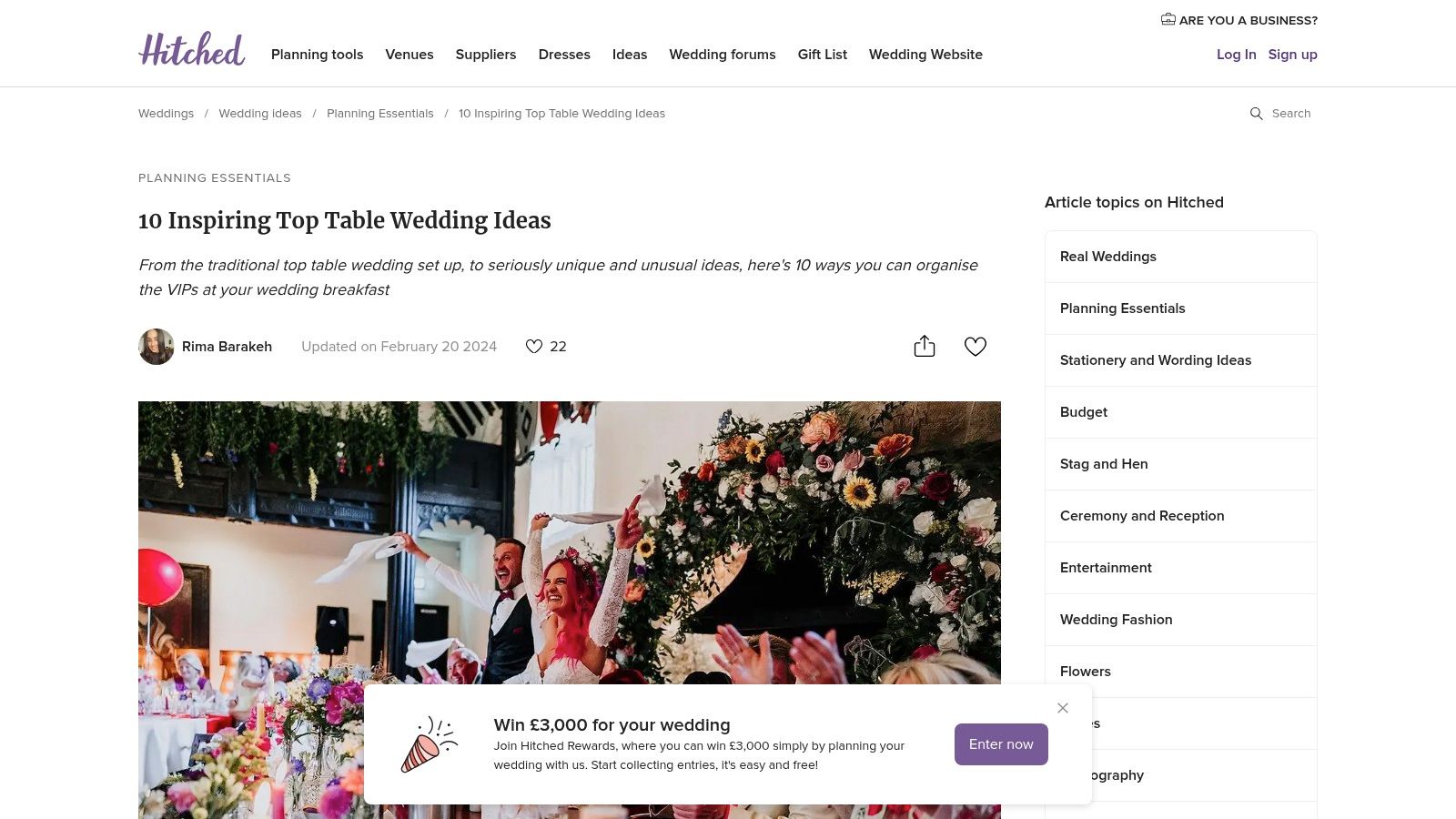
The traditional long top table is still the clearest expression of a formal British wedding breakfast. The couple sit centrally, everyone faces the room, and the reception has an obvious focal point from the moment guests walk in. In a heritage venue, that confidence reads beautifully.
Battle Abbey’s most natural home for this top table layout is the Duke’s Library when you want a classic reception line facing guest tables, and Abbot’s Hall when the meal setting leans grand and ceremonial. In both spaces, the architecture does a great deal of the styling for you. A long front-facing trestle against stonework, candlelight, or a floral backdrop rarely needs embellishment to feel important.
Where it works best at Battle Abbey
If your speeches matter to you, this layout is hard to beat. It gives your photographer clean reaction shots, your videographer reliable sightlines, and your guests no confusion about where to look. Historic venues often reward symmetry, and this format provides it naturally.
It’s also the easiest option for families who want the wedding to feel anchored in etiquette. At traditional UK weddings, the long top table remains familiar for a reason. At venues such as Battle Abbey, that familiarity feels elegant rather than stiff.
Practical rule: Choose this layout when you want the room to have one unmistakable centre of gravity.
There is, however, one recurring drawback. It often separates attendants from their partners. If you have a large bridal party or complicated family dynamics, the table can become neat on paper and awkward in practice.
A few planning notes make it stronger:
- Keep the table shallow in styling: Low florals and candle groupings preserve faces for speeches and photographs.
- Use the backdrop well: Stone, draping, or a floral installation behind the couple gives this layout presence without clutter.
- Check distance to the first guest tables: If the room is long, bring the nearest rounds or banqueting tables in so the top table doesn’t feel marooned.
For couples who want a traditional top table layout but need help mapping family positions, these wedding table planner ideas are a sensible starting point.
For the format itself, Hitched’s guide to the wedding top table is the recognised reference most couples already know.
2. Sweetheart Table
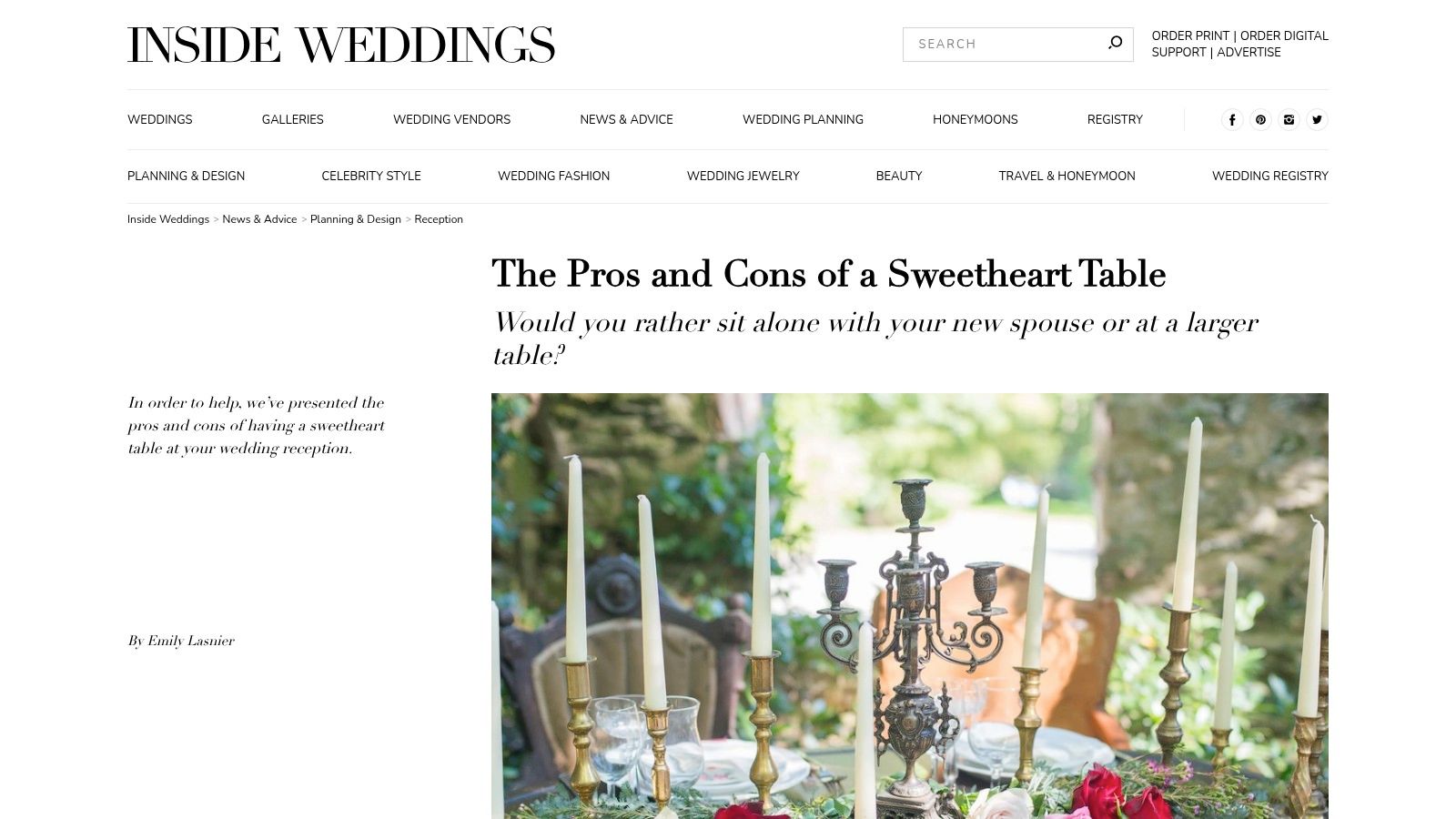
The seating plan is finished, the room is beautiful, and one question keeps causing strain. Which parent sits closest to the couple, who gets left off the top table, and whose partner ends up elsewhere. In that situation, a sweetheart table is often the most gracious solution.
At Battle Abbey, this layout works best in the Dining Room/Bar for smaller receptions, where a long formal head table can feel oversized, and on the Top Terrace, where the day tends to flow between drinks, dining, and the view. In both spaces, the couple still have a clear focal point, but the atmosphere stays relaxed rather than ceremonial.
A key advantage is social, not just visual. Parents can sit with their spouses. The wedding party can stay with their own partners or close friends. Guests read the room quickly and settle into it without trying to decode hierarchy.
It also gives the couple something many receptions fail to protect. A few quiet minutes together during the meal.
Place the sweetheart table close enough to the room’s energy that the couple feel surrounded, not displayed.
That point matters at Battle Abbey more than it might in a modern blank-canvas venue. Historic rooms can exaggerate distance. Set a sweetheart table too far from the nearest guests in the Dining Room/Bar, and it can feel detached. On the Top Terrace, where the setting is naturally open, anchor it with nearby tables, candlelight, and repeated florals so it reads as part of the celebration rather than a separate platform.
There is a trade-off. Some families interpret this layout as less traditional, and a few couples worry it will reduce time with parents or attendants. In practice, that concern is usually solved by where you seat the nearest VIP tables and how you handle speeches. Keep immediate family close, give those tables the strongest sightlines, and the room still feels connected.
For style and etiquette pros and cons, Inside Weddings’ sweetheart table advice is useful. My planning view is simpler. Choose this layout when family politics, partner placement, or the shape of the room matter more than preserving a formal top-table tradition.
3. King’s Table
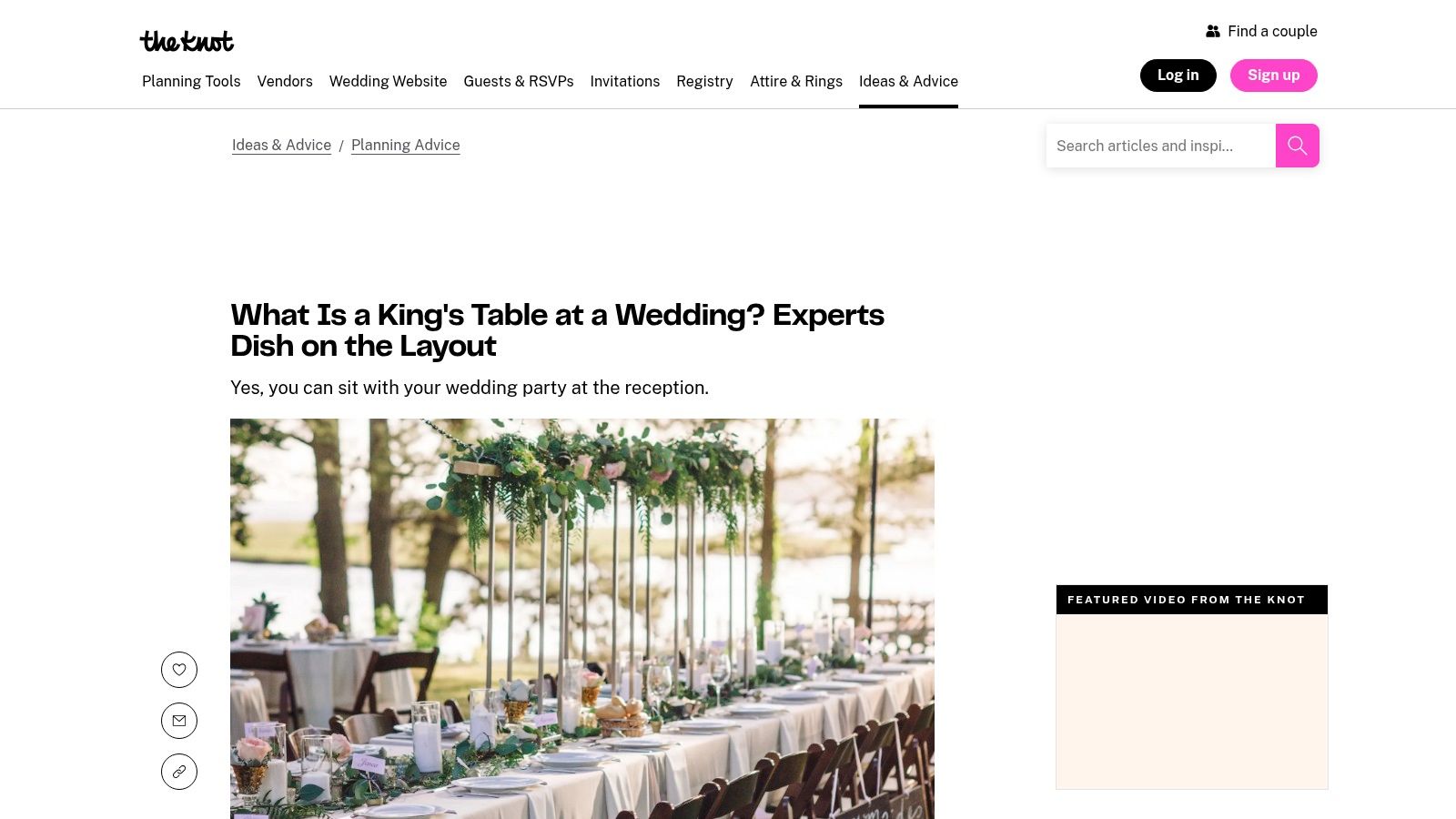
Candles running the full length of the table. The couple seated at the centre. Parents, attendants, and closest friends woven into one long line of conversation. In the right room, a King’s Table gives a wedding supper the mood of a proper feast rather than a formal presentation.
Battle Abbey suits this layout better than many venues because the architecture can carry its scale. Abbot’s Hall is the clearest match. The length of the room, the sense of history, and the visual weight of the setting all support one strong central table. In the Duke’s Library, it can work beautifully too, but with a more restrained approach to styling so the room does not feel crowded.
What makes the King’s Table distinct is not only the look. It changes the social dynamic. A traditional long top table creates a front-facing hierarchy. A King’s Table softens that. The couple still hold the centre, but they dine among their people, with partners together and conversation running in both directions.
That makes it a smart choice for couples who want presence without stiffness.
It also asks more of the room than couples often expect. Service staff need clear access on both sides. Chairs must pull back without catching on walls, pillars, or floral meadows. Guests seated near the middle need an easy route in and out, which is why I am more confident with this layout in Abbot’s Hall than in tighter or more interrupted spaces.
Design matters here. Long tables can look magnificent in historic interiors, but they expose every weak styling decision. Use repeated florals rather than unrelated arrangements. Keep candle heights controlled so sightlines stay open. Build rhythm down the full run of the table, especially in a room with strong architectural lines.
I recommend a King’s Table when these conditions are in place:
- You want a banquet atmosphere: No other option gives the same sense of shared feasting.
- You need to seat partners with the wedding party: This layout handles that far more gracefully than a formal front-facing row.
- Your room has width as well as length: The table itself is only half the calculation. Access and service space matter just as much.
- Your styling scheme benefits from repetition: Candles, runners, and low florals read best when they are carried the full distance.
In Abbot’s Hall, a King’s Table can feel utterly natural. In a narrower room, it can start to dominate the floor plan.
For a broad explanation of the format, The Knot’s overview of a king’s wedding table covers the basics. At Battle Abbey, I use it for couples who want the reception to feel generous, warm, and rooted in the character of the building, not merely arranged for etiquette.
4. Horseshoe or U-Shape Top Table
The doors open in the Duke’s Library, guests take their seats, and the couple are visible from more than one angle without being set apart from everyone else. That is where a horseshoe top table earns its place. It gives the room a focal point, keeps the wedding party connected, and leaves an open centre that can face the speeches, the dance floor, or a garden view.
At Battle Abbey, I use this layout most confidently in the Duke’s Library, where the shape helps the room feel sociable rather than stretched. It can also work beautifully on the Top Terrace, particularly for couples who want structure around an outdoor setting. The open middle gives the eye somewhere to rest, which matters in spaces with a strong backdrop.
Best for visible, inclusive speeches
A U-shape solves a problem that straight top tables often create. Guests seated off to the side still have a clear view of the couple, and the couple are not trapped in a flat, front-facing line for the entire meal. Speeches tend to feel warmer in this arrangement because the table holds its sense of occasion without becoming stiff.
It also suits receptions that need a little ceremony and a little movement. If coffee, toasts, or a late dessert display are becoming part of the visual rhythm of the evening, the centre opening helps the layout breathe. I have found it especially effective where couples want the meal to feel formal, but not overly staged, and where details such as wedding dessert table styling ideas will become part of the room’s composition after dinner.
The trade-off sits at the corners. If those places are squeezed, the people seated there can feel slightly disconnected from the main conversation. Service needs planning too. In a historic venue, staff cannot always rely on generous circulation space, so the width inside and outside the U has to be checked on the floor plan, not guessed from a sketch.
A few details make the difference:
- Keep the corners generous: Extra elbow room matters more here than on a straight run.
- Dress the joins properly: Low florals or grouped candles soften the turn and stop the shape looking improvised.
- Protect the centre space: Leave it clear enough that the U reads cleanly from the room.
- Set speech positions in the room itself: A microphone placed neatly on paper can still block sightlines once chairs, glassware, and people are in place.
For the right couple, this layout feels gracious and welcoming. In the Duke’s Library, it often brings the best balance of presence, visibility, and comfort. On the Top Terrace, it adds definition to an open setting without losing the romance of the view.
5. Round Top Table
The room is already set with round tables, candlelight is low, and the couple want supper to feel like a hosted dinner party rather than a performance. That is usually the moment a round top table starts to make sense.
At Battle Abbey, I would look at this first for the Dining Room/Bar, where the scale suits a more intimate, social arrangement. It can also work in the Duke’s Library if the rest of the guest seating is circular and the couple want the front of the room to feel less divided. In those spaces, one round VIP table often settles the floor plan. It softens the sense of hierarchy without losing occasion.
Best for intimate, conversation-led dining
The strength of a round top table is simple. Everyone seated there can speak across the table with less effort, and no one is exiled to an end seat. For families who know each other well, or for couples hosting a smaller wedding where the meal carries real weight, that matters more than a formal frontage.
It also suits receptions with a generous, feast-like mood. If the evening includes a styled pudding moment, a conversational plan often pairs naturally with dessert table ideas for wedding receptions, because the room already feels sociable and abundant rather than rigidly ceremonial.
There is a trade-off. A round top table gives you warmth, but it gives away some theatre.
Speeches need more thought because there is no obvious front edge. In the Dining Room/Bar, that can be charming and relaxed. In the Duke’s Library, where the room carries more grandeur, couples need to decide whether they want a strong focal line for photographs and toasts, or whether good conversation at supper matters more. Photographers also need proper clearance around the table. If the table is oversized or pushed too close to guest seating, the pictures lose shape and the service route starts to tighten.
This layout is often strongest for intimate weddings, second marriages, older couples, and family groups who prefer shared conversation to a staged head table. It also works well for part-site celebrations at Battle Abbey, where the day moves between spaces and the reception needs to feel settled rather than overly formal.
For wider planning inspiration, The Wedding Secret’s guide to wedding table layouts is a good companion reference.
6. Extended Head Table with Partners
The doors open at Abbot’s Hall, candles are lit, the top table looks magnificent, and then the seating plan causes the first wobble of the evening because three attendants have been split from their partners for the whole meal. This layout solves that problem without giving up the formality many couples still want. It keeps the long, front-facing top table, then extends it so bridesmaids, groomsmen, and their partners are seated together.
At Battle Abbey, this arrangement is strongest in Abbot’s Hall, where the room has the width to carry a longer frontage without starving the rest of the plan of space. The Duke’s Library can also take it for larger receptions, but only if the guest count, table spacing, and service route have been measured properly. In a grand historic room, a table that is even two places too long can start to dominate the whole composition.
The appeal is straightforward. You keep the ceremonial focus for speeches, photographs, and that first look into the room, while avoiding the coldness that can creep in when attendants are lined up like a cast list and their partners are banished elsewhere. For couples with a close-knit wedding party, that social comfort matters.
It also reduces one of the most common seating tensions. Nobody spends the main meal making apologetic eye contact across the room.
The trade-off is scale. Once you add the couple, attendants, and partners, numbers climb quickly, and the visual balance of the room becomes more technical than romantic. A long head table needs enough guest seating close by to stop the room feeling split into two camps. In Abbot’s Hall, I usually keep the first guest tables pulled in confidently so the couple still feel surrounded. In the Duke’s Library, I am stricter about table count and aisle width because the architecture deserves breathing space and the service team need a clear run.
This format also asks for better administration than couples expect. Place names, dietary notes, family politics, and speech order need to be checked against one another before the stationer prints anything. A proper wedding guest list template for tracking couples, diets, and family groups makes this much easier, especially once partners are being added to the front line of the room.
A few details make the layout work well in practice:
- Keep the top table proportional to the room. If it stretches too far, the setup looks heavy rather than gracious.
- Leave proper photography clearance. A long frontal table needs space for reaction shots, toasts, and full-table images.
- Treat flowers with restraint. Repeating low arrangements usually work better than one continuous, bulky centrepiece.
- Check microphone coverage early. A wider table changes how speeches carry, particularly in larger stone rooms.
For real-world couple discussion around this exact choice, this community thread on sweetheart versus head table seating reflects the trade-offs well.
7. No Top Table or Distributed VIP Seating
The room settles after the drinks reception. Guests take their places. Instead of a formal line of VIPs facing the room, the couple are seated among their people, close enough to hear the laughter at the next table and slip into conversation without ceremony. In the right Battle Abbey setting, that choice feels gracious rather than casual.
This layout suits the spaces that already encourage movement and mixed conversation. In the Dining Room and Bar, it keeps a smaller celebration from feeling over-structured. Across the Top Terrace and Six Penny Lawn, it supports a reception that flows between dining, toasts, and mingling, especially if the meal is designed around sharing platters, relaxed courses, or a less fixed timetable.
The strength of distributed VIP seating is social ease. Parents can sit with the people they want to spend the meal with. Attendants can stay with partners. The couple stop looking like they have been placed on display and start hosting the room in a more natural way. For modern family dynamics, second marriages, or blended households, that can be a far more elegant solution than forcing everyone into a ceremonial front row.
It does ask for discipline behind the scenes.
Without a top table, the room loses its automatic focal point, so one has to be created elsewhere. I usually anchor speeches with a clear standing position, keep the couple on a table with a strong sightline to the room, and brief the photographer on exactly where reactions will be easiest to catch. In outdoor-led layouts, that often means treating the toast area, rather than any single table, as the visual centre of the reception.
Guest planning also matters more than couples expect. A distributed plan only feels relaxed when it has been organised carefully in advance. A wedding guest list template for tracking family groups, couples, and dietary notes helps keep that logic intact once VIPs are being split across the room.
The trade-off is formality. If you want the visual theatre of a grand entrance, a composed speech backdrop, and a clear sense of hierarchy in the room, another layout will serve you better. If the priority is warmth, movement, and a less staged kind of hospitality, this is often the strongest choice in Battle Abbey’s more intimate and open-flow spaces.
For couples weighing the etiquette side of it, this UK weddings community discussion about top table dilemmas captures why many now choose to spread key people through the room rather than gather them at one formal table.
7 Top Table Layouts Comparison
| Layout | Implementation Complexity 🔄 | Resource Requirements ⚡ | Expected Outcomes 📊⭐ | Ideal Use Cases 💡 |
|---|---|---|---|---|
| Traditional Long Top Table (Hitched), classic front‑facing trestle | Moderate 🔄, linear setup, clear service routes | Low–Moderate ⚡, standard venue furniture; backdrop/florals add cost | High ceremonial focus and very photogenic; strong speech attention ⭐⭐⭐ | Formal historic rooms, traditional wedding breakfasts, staged photos |
| Sweetheart Table, small couple’s table separate from party | Low 🔄, minimal layout work, flexible placement | Low ⚡, minimal furniture and concentrated decor | High intimacy and calmer photos; reduces seating politics ⭐⭐ | Intimate venues, romantic portraits, couples wanting private moments |
| King’s (Head) Table, long table seated both sides | High 🔄, needs width, circulation and service planning | High ⚡, long linens, runners, extended florals and staffing | Very high visual drama and inclusive banquet feel; convivial energy ⭐⭐⭐ | Large parties, banquet/feasting atmospheres, long gallery/library rooms |
| Horseshoe / U‑Shape Top Table, U frames open area | Moderate–High 🔄, careful geometry and service routing | Moderate ⚡, table leaves and continuous centrepieces | Excellent sightlines and natural ‘stage’; social yet focused ⭐⭐⭐ | Narrow/long rooms, framing dancefloor, speeches and entertainment |
| Round Top Table, couple at a larger round table | Low 🔄, uses standard round arrangements | Low ⚡, standard round table centrepieces and service | Relaxed, conversational and integrated with guests; less theatrical ⭐⭐ | Rooms already set with rounds, garden or marquee receptions |
| Extended Head Table with Partners, long front table including partners | High 🔄, long runs, multiple mic/sound points | High ⚡, extended linens/greenery, AV and clearance needs | Maintains formality while including partners; panoramic photos ⭐⭐⭐ | Large wedding parties wanting a formal focal point without splitting partners |
| No Top Table / Distributed VIP Seating, couple at guest tables | Low 🔄, standard floorplan, requires AV planning for speeches | Low ⚡, standard tables; sound system advisable | Maximises mingling and relaxed atmosphere; less central focal point ⭐⭐ | Modern, informal weddings, buffets/feasts, couples prioritising mingling |
Making Your Choice A Final Checklist for Your Venue
The decision often becomes real at the moment a couple stands in the room and asks one simple question: where will we feel most comfortable once everyone is seated? At Battle Abbey, the answer changes from space to space. A layout that feels magnificent in Abbot’s Hall can feel over-scaled in the Dining Room/Bar. A plan that works neatly in the Duke’s Library can lose its poise on the terrace.
Start with the room, not the seating chart. Abbot’s Hall rewards layouts with presence and length, particularly a King’s Table or an extended head table, because the architecture can carry them without the room feeling crowded. The Duke’s Library usually benefits from a stronger focal line, so a traditional long top table or a well-proportioned U-shape tends to read clearly for speeches and photographs. The Dining Room/Bar is more intimate by nature. Sweetheart tables, round top tables, and distributed VIP seating usually sit more naturally there and avoid forcing too much formality into a smaller setting.
Then test the atmosphere you want against the reality of the guest list. A formal wedding breakfast with strong family representation often suits the traditional long top table. A couple who want a little breathing room, especially if family dynamics are complicated, are often happier at a sweetheart table. Large wedding parties usually push couples toward a King’s Table, a U-shape, or an extended head table with partners, because those formats solve spacing and etiquette problems more gracefully.
Practical planning decides whether a layout still works once florals, chairs, service staff, and guests are in place. I always advise couples to review the floorplan from three viewpoints: seated guest, catering team, and photographer. That usually reveals the weak spots quickly.
- Check sightlines: Every table should be able to see the couple and hear speeches without twisting in their chairs.
- Protect service routes: Historic rooms have corners, thresholds, and architectural features that can pinch circulation if the top table is oversized.
- Allow proper access: Wheelchairs, walking aids, older relatives, and children all need space that feels easy rather than apologetically added on.
- Review the photographic backdrop: Candles, florals, and stonework should frame the top table, not block faces or clutter the line of sight.
Table proportions matter as much as table style. If you are comparing footprints before signing off the final floorplan, this guide to ideal dining table dimensions is a useful reference point.
The strongest choice is the one that suits the room, supports the guest list, and lets the couple relax into the meal. At Battle Abbey, that usually means resisting generic advice and matching the layout to the character of the exact space, whether that is the grandeur of Abbot’s Hall, the order of the Duke’s Library, or the softer, more social feel of the Dining Room/Bar.
Battle Abbey Weddings brings that kind of planning into focus with spaces that already carry romance, history, and presence. If you’re weighing the best top table layout for Abbot’s Hall, the Duke’s Library, the Dining Room/Bar, or the outdoor terraces, explore Battle Abbey Weddings to see how the team can help shape a reception plan that feels both beautifully personal and perfectly suited to the venue.